Introduction: Reborn and Redeemed in the Human Story
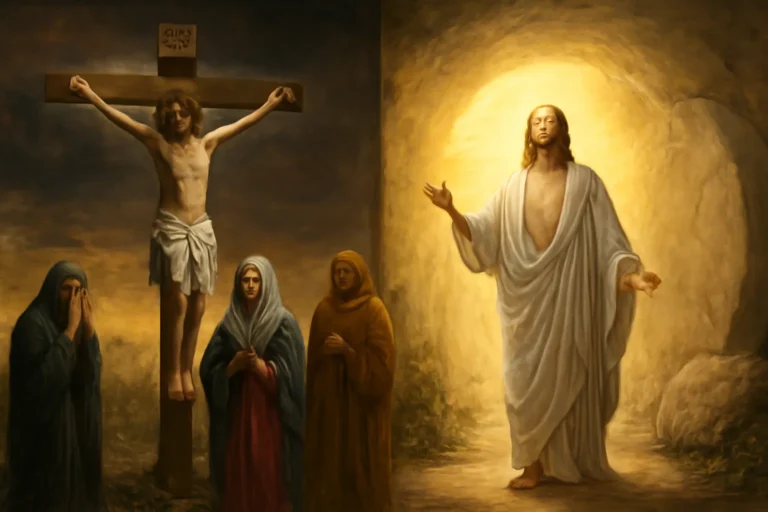
Across the centuries, civilizations have wrestled with a simple question that sits at the heart of religious life: can a person begin again? The answer offered by countless faith traditions is not only a philosophical assertion but a practical invitation. In Christian theology, the phrases reborn, rebirth, born again, and redemption converge to tell a deeply personal and publicly transformative story. This article surveys the idea of starting life anew from a religious perspective, tracing its biblical roots, its doctrinal development, and its ethical implications for individuals and communities. The language of renewal—whether described as regeneration, renewal, conversion, or metanoia—helps believers articulate the movement of God’s grace from the depths of brokenness to the surface of restored relationship with the Creator.
The journey from darkness to light is not merely an inner feeling but a comprehensive reorientation: a shift in identity, allegiance, and purpose. It touches worship and work, doubt and devotion, memory and hope. To understand this journey is to glimpse how the divine invitation to be renewed shapes theology, liturgy, and daily practice. In what follows, we will explore the biblical foundations for renewal, the means by which renewal is conveyed, and the varied theological emphases that distinguish Christian traditions. We will also consider practical guides for teaching, mentoring, and living as people who have been changed by grace.
The Language of Renewal: Words, Variants, and Their Significance
The vocabulary of spiritual renewal is rich and sometimes contested. Each term carries nuance, yet they point toward a shared conviction: life can be fundamentally transformed by contact with the divine life. Below are key terms in their broadest sense, with concise explanations.
- Rebirth – a fresh emergence into a life that God creates and sustains, often linked to a decisive moment or ongoing process.
- Regeneration – a theological term describing God’s renewing work in the human heart, renewing not only behavior but the inner persons and desires.
- Renewal – a broader concept that includes moral, spiritual, and communal revitalization.
- Conversion – turning away from what distances one from God and turning toward God in trust and obedience.
- Metanoia – a Greek term meaning repentance in the deepest sense: a change of mind that alters direction and intention.
- Baptism – a sacramental act often understood as the outward sign of an inward renewal, the doorway into the Christian life for many traditions.
- Sanctification – the lifelong process of being made holy, aligned with divine purposes, in which renewal deepens over time.
- Redemption – the deliverance or liberating work of God, often tied to atonement, salvation, and the restoration of broken relationships.
- Salvation – the overarching category describing rescue from sin and its consequences and the incorporation into God’s life and community.
The semantic breadth is intentional. By using varied yet related terms, theologians and pastors can speak to different audiences—theologians in the academy, believers in parish life, and seekers in conversation—while preserving a coherent core claim: renewal is a gracious move of God that opens a new chapter in a person’s story.
Biblical Foundations: Born Again, Regeneration, and the Core Promise
Central to Christian teaching on renewal are the words of Jesus and the witness of the apostolic writings. In the Gospel according to John, Jesus speaks of a fundamental transformation that cannot be achieved by human effort alone. The language of born again or born from above captures a spiritual birth that inaugurates life in the Spirit. This is not merely a doctrinal novelty but a claim about what God does to a human person.
The famous encounter with Nicodemus in John 3 places the topic in dramatic dialogue. Jesus declares, “Truly, truly, I say to you, unless one is born of water and the Spirit, he cannot enter the kingdom of God.” This phrase has been interpreted across traditions in varying ways, yet the consensus centers on two realities:
- The necessity of divine initiation—human decision is insufficient without God’s transformative action.
- The inseparable link between renewal and life with God—the new birth is the entry point into a lived relationship that bears moral and communal fruit.
Other New Testament witnesses speak of regeneration in a more theological key. The apostle Paul, writing to Titus, speaks of being saved not because of deeds done by humans but “according to his mercy, by the washing of regeneration and renewal of the Holy Spirit.” Here, regeneration and renewal are described as acts the Spirit performs within the believer, producing a new life orientation. In 1 Peter, the idea of a living hope arises out of a past transformation that continues to shape present conduct and future expectations. These texts together shape a doctrine of renewal that is both soteriological (concerning salvation) and existential (concerning daily living).
Theological theologians have reflected on how this renewal concretely manifests in the life of faith communities. In many Christian traditions, the renewal described in scripture leads to changed affections, new loyalties, and a transformed identity that reconfigures how individuals relate to themselves, to others, and to God. The core promise remains paradoxical and profound: one is not simply morally improved but constituted as a new creation by God’s grace.
The Means of Renewal: Sacraments, Faith, and Divine Grace
Baptism as Doorway to Renewal
Across Christian history, baptism has stood as a central means of grace through which renewal is conveyed. In many traditions, it is seen as the outward sign of an inward work performed by the Holy Spirit—an outward act that signifies inward transformation. Baptism is frequently described as a dying and rising with Christ: a symbolic burial of the old life and a commencement of the new life today and for eternity.
- In infant baptism, communities affirm that the gift of grace is offered to the child, inviting a life of faith as the person grows into maturity.
- In believer’s baptism, the act follows a conscious confession of faith, signaling a decision to align one’s life with Christ.
- In all cases, baptism marks a public statement of belonging to the body of Christ and a personal admission of dependence on grace.
The symbolic richness of baptism gives shape to the broader discipline of discipleship. Renewal is not a single event but a lifelong journey that begins with a public declaration and continues through study, worship, and service.
Faith, Grace, and the Spirit
If baptism often serves as the visible sign of renewal, faith operates as its experiential path. The New Testament consistently emphasizes that faith is the appropriate human response to God’s gracious initiative. Yet this faith is not mere assent; it is trust that binds the believer to the crucified and risen Christ, drawing power from the Spirit for a life oriented toward love, justice, and mercy.
- Grace is the initiating and sustaining act of God, enabling what human beings could not achieve by their own strength.
- The Spirit works regeneration within the heart, animates believers, and cultivates Christlike character over time.
- Conversion involves a radical reorientation of life: from self-centered pursuits to a missional life in harmony with God’s purposes.
The practical outworking of these truths is often expressed through spiritual disciplines, communal life, and a robust ethic of love. Renewal, in this sense, is both gift and responsibility: God supplies the grace; believers respond with faith, repentance, and obedience.
The Life After Renewal: Transformation, Ethics, and Living Redeemed
Ethical Implications: Love, Mercy, and Justice in Action
A robust understanding of renewed life quickly leads to concrete moral implications. If one has been regenerated by grace, then one’s loves and loyalties are reoriented toward God and neighbor. Love becomes the defining characteristic of the redeemed life, shaping decisions in family, work, and public life. Mercy becomes not simply a sentiment but a practice: feeding the hungry, welcoming strangers, defending the vulnerable, and pursuing justice with humility.
- Family and community are healed through forgiveness and reconciliation, allowing old wounds to give way to renewed trust.
- Justice is pursued not as a mere social program but as a reflection of the God who desires mercy and righteousness.
- Worship and work merge: the ordinary routines of life become a field for stewardship and service.
The ethical dimension of renewal is never tame; it invites discernment in complex situations. The call to be redeemed often means confronting personal pride, systemic injustice, and the seductive power of fear. Yet the reward is a life that can bear witness to the integrity of grace: a transformed person who models hope and compassion in scarred contexts.
Community Life: Discipleship, Worship, and Mission
Renewal is rarely a solitary affair. The Christian tradition is intensely communal because the Spirit creates a people who belong to one another. Discipleship programs, catechesis, and communal worship are not mere add-ons; they are essential to forming and sustaining lives that are born anew and resilient against cynicism. In many churches, the rhythms of Sunday worship, daily prayer, and mutual accountability serve as ongoing invitations to a life of renewal.
- Worship that centers on God’s grace and Christ’s work strengthens a sense of identity as the redeemed.
- Catechesis and spiritual formation provide intellectual and moral scaffolding for the life of faith.
- Ministry and mission translate renewal into service, inviting believers to participate in reconciliation of communities and creation.
The result is a countercultural community that embodies the message of conversion. When individuals and communities are truly renewed, their presence can challenge despair with hope, scarcity with generosity, and isolation with belonging.
Theologies and Differences: Reborn, Regenerated, and Redeemed Across Traditions
Catholic Perspective: Grace, Sacraments, and theosis-in-God’s-Life
In Roman Catholic theology, renewal is deeply embedded in sacramental life and the ongoing process of sanctification. Grace is understood as both gratuitous and efficacious, flowing through the sacraments and the life of the Church. Baptism is foundational, but the fullness of renewal unfolds through the Church’s teaching, communion, and sacramental economy. The Catholic tradition often speaks of theosis or deification in a relational sense—the believer becoming more united with God by grace, drawn into the divine life through participation in Christ and the Holy Spirit.
Orthodox Emphasis: Theosis, Renewal, and Transforming Communion
The Orthodox Church emphasizes renewal as a lifelong ascent in union with God. The process is framed as theosis, a transformative participation in the divine nature through divine energies while remaining created. Baptism, chrismation (confirmation), Eucharist, and a disciplined life of prayer, fasting, and almsgiving are seen as means by which the believer is progressively renewed. Rebirth is not a one-off event but a continuous journey toward likeness to Christ within a community that values liturgy and sacramental life as ongoing nourishment.
Protestant Traditions: Faith, Grace, and the Spirit’s Regenerating Work
Protestant theologies have varied emphases, but many converge on the principle that regeneration is by grace through faith in Christ, often framed as justification by faith. Renewal is real and transformative, though its emphasis may differ on sacraments or works. For some strands, the decisive moment of conversion marks the turning point; for others, continued sanctification emphasizes how faith expresses itself in love, service, and moral growth. What unites these strands is a shared conviction that God’s salvific work produces authentic change—“a new creation” made visible in thought, desire, and action.
Practical Pedagogy: Teaching and Mentoring About Renewal
Strategies for Explaining Rebirth and Redemption
Educators and pastors who teach about renewal should aim for clarity without reducing mystery. A practical approach includes:
- Presenting the biblical foundations in accessible terms, with attention to how the old covenant anticipates the new covenant.
- Connecting doctrine to daily life by using concrete examples of transformation—changed relationships, ethical choices, and community involvement.
- Encouraging experiential faith through practices such as reflective prayer, confession, and service, so students can discern how grace meets their lives.
- Addressing questions and doubts openly, offering space for dialogue about the nature of grace, faith, and works.
A layered approach that includes study, worship, service, and mentoring helps believers know how to articulate why they are confident in a renewed life. It also invites seekers to explore their own questions about identity, origin, and purpose.
Personal Narratives: Testimonies of Renewal
Across cultures and communities, testimonies of renewal resemble a shared arc: recognition of need, encounter with grace, response in faith, and ongoing transformation. While each journey is unique, certain motifs recur:
- A sense of being forgiven for past mistakes and forgiven more deeply than one imagined possible.
- A new appetite for virtue, which includes honesty, generosity, and courage in difficult situations.
- A strengthened sense of belonging to a community that embodies mercy and justice.
- A calling to serve others—whether through acts of charity, advocacy, or quiet stewardship in daily life.
Personal stories of transformation are not merely private experiences; they function as public testimony that God’s work in a life is real, tangible, and ongoing. They remind communities that renewal is not a static status but a dynamic relationship with a living God who speaks, blesses, disciplines, and sustains.
Challenges, Questions, and Reflective Responses
The discourse on being reborn and redeemed inevitably raises questions that deserve thoughtful engagement. Some of these concerns include:
- How do we know when renewal has truly occurred, and how do we distinguish genuine transformation from temporary enthusiasm?
- What is the relationship between grace and personal responsibility in the life of renewal?
- To what extent do cultural contexts shape the understanding and expression of rebirth?
- How does renewal relate to the problem of evil, suffering, and injustice in the world?
Faith communities address these questions through catechesis, pastoral care, and liturgical practice. The aim is not to offer a formula but to invite ongoing conversion—an arc toward greater fidelity, humility, and compassion. In this sense, the journey of awakening continues to unfold as believers live out the implications of being born anew within the trustworthiness of God’s promises.
A Compendium of Core Assertions: What Renewal Means Across the Corpus
To synthesize the various strands discussed above, here is concise guidance you can carry into study groups, sermons, or personal reflection. The assertions are framed to be practical, theological, and hopeful.
- Renewal begins with God’s initiative and culminates in a transformed life that witnesses to divine grace.
- Rebirth is both an event and a process—an initial awakening and a continuing formation in holiness.
- Salvation encompasses past forgiveness, present transformation, and future hope in eternal life.
- Faith is trust in Christ’s redeeming work, expressed through repentance, obedience, and communal life.
- Grace is the enabling power that makes renewal possible and sustainable, even in weakness.
- Discipleship is the practical outworking of renewal: worship, service, and moral courage that reflect Christ’s lordship.
- Hope persists in the face of suffering because renewal promises a future redesigned by God’s lasting love.
Conclusion: The Ongoing Journey of Renewal
The theme of being reborn and redeemed remains a compelling anchor for faith and practice. It speaks of a God who does not leave humanity to its own devices but enters into the brokenness of the world to heal, restore, and renew. The biblical witness presents the renewal of life as a gift that changes what people love and how they live. Theologies across traditions enrich this understanding by highlighting different facets of the same mystery: God’s transformative love at work in history, in communities, and within every individual who calls on the name of the Lord.
As societies face growing fragmentation, the message of renewal offers a counter-narrative rooted in grace, repentance, and hope. It invites both the skeptic and the believer into a conversation about the meaning of life, the source of hope, and the power to live with integrity. Whether one speaks of being reborn, regenerated, or simply saved, the core claim remains: a new life is possible because God desires to reconcile what is estranged, restore what is broken, and invite humans into a relationship that endures.
In the end, the Christian tale of being born again is a narrative of invitation: you are invited to enter into a life that is no longer defined by fear, shame, or fatigue, but by love, mercy, and purpose. It is a life that does not erase the past but redefines its meaning by anchoring it in the faithfulness of God. It is a journey from disintegration toward union, from isolation toward belonging, and from despair toward a steadfast hope that never fails. And it is a journey that continues as long as there are hearts willing to respond to the call to be renewed by grace and to live as a people who have inherited a better future.