Introduction: Paul’s Blueprint for Godly Leadership
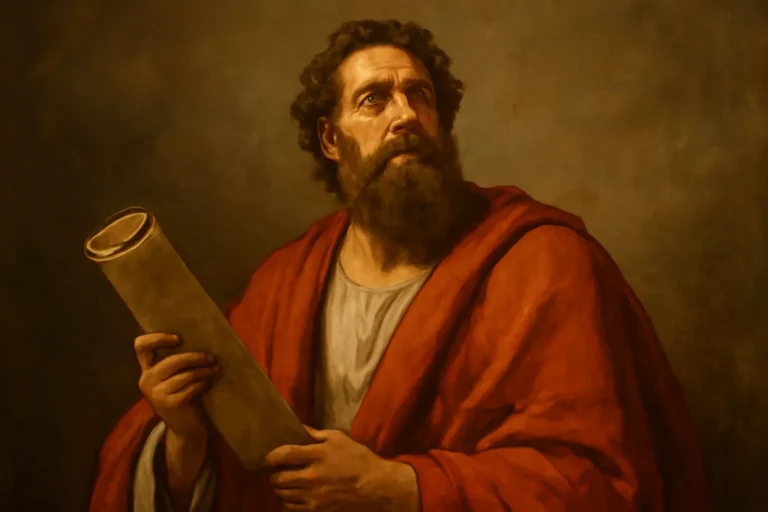
In the annals of Christian history, the Apostle Paul stands as a master craftsman of leadership
philosophy tailored for a community built on faith, hope, and love. Paul’s blueprint for
godly leadership is not a set of bureaucratic instructions but a holistic vision that intertwines
character, culture, doctrine, and mission. It invites leaders to lead not by dominion but by service,
not by status but by example, and not by mere authority but by alignment with the gospel’s call to
sacrificial living. This article surveys Paul’s leadership paradigm—how he frames the
role of leaders, how leaders should relate to their communities, and how these ancient patterns
remain deeply relevant for churches, ministries, and faith-based organizations today.
The aim here is not to reconstruct a single verse or to reduce leadership to a checklist. Instead, it is
to articulate a coherent and practical framework that draws on Paul’s letters, travels, and mentorship
of younger co-laborers. We will trace the core motifs of Paul’s leadership—humility, integrity,
shepherding care, doctrinal fidelity, and communal accountability—and translate them into a modern
context without losing their ancient DNA. Throughout, the emphasis remains Christ-centered,
gospel-shaped, and mission-forward.
Foundations of Paul’s Leadership Philosophy
When Paul contends for leadership, he does so with a distinctive set of foundations that recur
across his letters. These foundations function like the structural beams of a building, supporting both
the weight of doctrine and the pressure of practice. They are not arbitrary preferences; they are rooted
in the person and work of Christ, in the transformation of the community, and in the shared purpose of
advancing the gospel.
The posture of leadership: servanthood, humility, and sacrifice
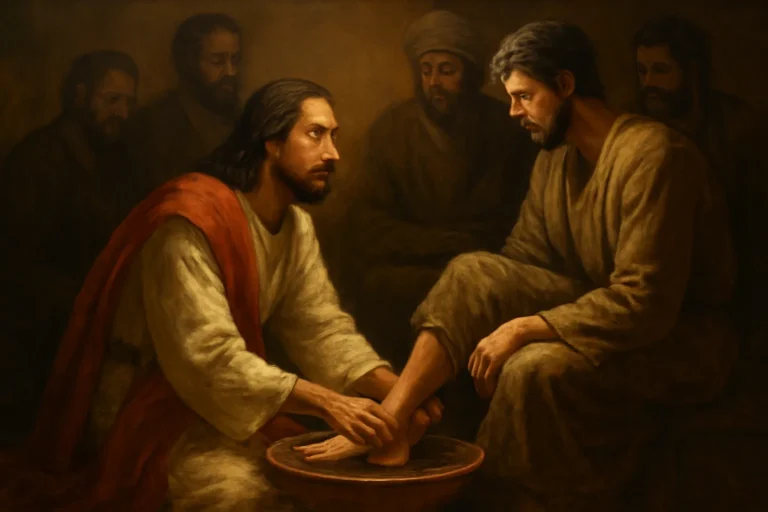
A central thread in Paul’s vision is servant-hearted leadership. He models and exhorts leaders to
imitate Christ’s own self-emptying and willingness to humble himself for the sake of others. Paul’s own
life embodies this posture: he places the gospel ahead of his rights, he embraces hardship for the sake of
the church, and he speaks of leadership as a path of service rather than prestige. In practice,
this means leaders who descend into the trenches of ministry—caring for the poor, comforting the broken, and
lifting up the weak—so that the community can flourish in love and truth.
- Emptying oneself to serve others, even at personal cost.
- Imitating Christ as the model for leadership behavior, not as a cultural badge.
- Sacrificial generosity that prioritizes communal welfare over personal gain.
Leadership as example and exhortation: modeling first, guiding second
Paul repeatedly emphasizes leadership as example first and instruction second.
Leaders demonstrate godliness so the flock can discern truth through observation and experience. Paul’s
pastoral strategy privileges proximity and personal investment: he travels, mentors, corrects with grace,
applauds faithfulness, and communicates with both firmness and warmth. This model fosters trust, reduces
resistance to truth, and cultivates a culture where people follow not merely a doctrine but a
living, tangible demonstration of it.
Love as the organizing principle: charity that binds doctrine and discipline
Paul’s leadership is doctrine-informed and love-ordered. The truth of the gospel is never separated
from the way leaders treat others. Sound teaching must be seasoned with mercy, patience, and a willingness to
restore the wayward with gentleness. A Godly leader in Paul’s sense walks a delicate line—holding firm to
truth while embodying the graciousness that compels people toward Christ.
Stewardship and accountability: managing gifts, resources, and authority faithfully
Paul views leadership as stewardship. Leaders are entrusted with gifts, resources, and responsibilities
and are accountable to God and to the believing community. This accountability is not punitive; it is
formative—meant to refine character, sharpen vision, and protect the church from the perils of pride and
abuse. The aim is a robust culture of integrity where leaders are seen as trustworthy servants rather than
symbols of status.
Church Governance in Paul’s Orbit: Structure, Roles, and Qualifications
A significant portion of Paul’s leadership framework concerns how a community organizes itself for
mission and care. His guidance on offices and orderly conduct is not merely administrative; it is
theological, aimed at preserving the integrity of the faith and the safety of the vulnerable. In several
letters, Paul outlines the kinds of leaders who should govern well and the standards they must meet.
Key offices in Paul’s language: elders, overseers, and deacons
Paul treats certain roles with particular seriousness. The terms elder (presbyteros) and
overseer (episkopos) describe leaders who shepherd the flock, teach, and protect the
congregation from error. A related office, deacon (diakonos), focuses on service and practical
ministry, ensuring the community’s needs are met and order is maintained. Paul’s letters place a premium on
character, doctrinal soundness, and ability to teach. The details vary in different contexts, but the core
principles remain: leadership should be trustworthy, devoted to the gospel, and oriented toward the well-being
of the church as a whole.
Qualifications: character over charisma
Across Paul’s writings, the qualifications for elders and deacons emphasize moral and relational
integrity more than prominence or persuasive speaking alone. Typical expectations include a reputation for
blameless conduct, self-control, hospitality, and a proven ability to teach. The lists remind
communities that leadership is a vocation of responsibility: a leader must shepherd with love, guard
sound doctrine, and cultivate unity in the body.
Practical governance: order and harmony in the local church
Paul’s instruction about leadership formations is inseparable from his ethic of unity. He warns against
quarrels about genealogies, myths, and endless debates, urging leaders to cultivate a healthy
culture of sound doctrine and gracious disagreement. The aim is not conformity for the sake of
conformity but shared conviction grounded in the gospel and manifested in communal harmony.
Team leadership: mentoring younger leaders and multiplying influence
A revealing dimension of Paul’s blueprint is his multitiered mentorship. He does not only appoint elders;
he trains younger partners in mission—Timothy, Titus, and others—so that leadership becomes a relay race of
faithfulness rather than a solitary sprint. Paul’s model anticipates modern succession planning in churches and
ministries: raise capable leaders, empower them, and pass the mission on to a new generation without
compromising the principles that sustain the church’s life.
Leadership in Community: Character, Correction, and Cultivation
Paul’s approach to leadership is intimately social. He understands that leadership cannot be separated from
how a community lives together, disciplines itself, and cares for the vulnerable. The stability of a church
or ministry depends on the quality of its relationships, the clarity of its mission, and
the discipline of its members.
Unity, diversity, and the healthy body
In his metaphor of the body, Paul teaches that leadership must honor the diversity of gifts while
preserving the unity of the Spirit. Not every member carries the same role, and yet every member is
indispensable. For leaders, this means fostering an atmosphere where different gifts are welcomed,
disagreements are handled with grace, and the common good is prioritized over personal preference.
- Promoting generous inclusion of diverse gifts and backgrounds
- Balancing truth and mercy in correction and exhortation
- Encouraging mutual accountability within leadership teams
Discipline and restoration: governance with care
Paul does not shy away from correction when leadership or the flock diverges from the gospel. Yet his method
of discipline is anchored in restoration and hope. Church discipline, when necessary, aims to bring about
repentance and reconciliation, not to condemn. A healthy leadership culture uses clear boundaries, transparent
processes, and compassionate outreach to the person who has erred, always seeking the restoration of
relationship and faith.
Care for the vulnerable: leadership as a form of social stewardship
The gospel calls leaders to notice and defend the marginalized—the poor, the widow, the outsider. Paul’s
leadership ethic includes tangible acts of mercy, fair stewardship of resources, and a policy of inclusion
that elevates the vulnerable. Leaders cannot claim spiritual authority while neglecting the material and social
needs of the community. A godly leadership model accounts for both proclamation and practical provision.
Practical Disciplines for Paul-Inspired Leaders
If Paul’s blueprint has enduring value, it is because it translates into concrete, daily habits. The
following disciplines help leaders cultivate the inner life necessary to sustain outward faithfulness over time.
Character formation: virtue as the environment for ministry
The formation of character is foundational. Paul’s prayers and exhortations toward holiness, patience, and
gentleness become the soil in which leadership virtues take root. Self-control, humility,
and integrity are not optional add-ons but prerequisites for credible service.
- Personal holiness as a living witness to the gospel.
- Genuine hospitality that opens doors to care and conversation.
- Reliability in small things as the groundwork for trusted leadership.
Doctrine and teaching: fidelity to sound gospel truth
Leaders are required to hold and propagate a faithful gospel. This means ongoing study, careful
listening to Scripture, robust catechesis, and a willingness to correct when error surfaces. Paul’s pattern
is to guard the core of the faith while engaging contemporary questions with clarity and grace.
- Sound doctrine as a guardrail against error and division
- Clear exhortation that motivates transformation, not merely information
- Faithful preaching and teaching that builds up the body
Communication and leadership style: clarity, courage, and compassion
Paul models a leadership style that blends bold proclamation with tenderness of fellowship. Leaders
should be able to articulate vision with conviction while maintaining accessible, inclusive dialogue with
the congregation. The goal is not to shout down dissent but to shepherd it toward consensus in truth.
Missional priority: the church on mission, not in retreat
A Paul-inspired leader keeps the gospel at the center and ensures that the community’s life aligns with
its mission: to proclaim Christ and to serve as witnesses to the transforming power of the gospel in the
world. This means discipleship pathways, mission teams, and a culture that
integrates worship, teaching, and service into one coherent life.
Handling Crises and Conflicts: Paul’s Patience and Practice
Every community experiences pressure. Paul provides insight into how godly leadership should navigate
crises—whether doctrinal controversy, moral failure, or external opposition. The emphasis remains on
fidelity to the gospel, reconciliation, and constructive resolution that preserves the integrity of the
church while honoring the dignity of persons involved.
Conciliation over cowardice, correction with care
In difficult seasons, leaders are called to be courageous in the defense of truth, yet gentle with
people who stumble. Paul’s method balances firmness with patience, ensuring that admonition leads to
repentance and restoration rather than alienation. The goal is renewal that strengthens the body and
restores trust.
Handling discipline: redemptive and transparent
When Paul prescribes discipline, it is not a punitive victory march but a redemptive process that aims
to rehabilitate the offender and heal the community. Clear criteria, fair process, and a readiness to forgive
are essential ingredients. The leadership team is accountable for how discipline is practiced, ensuring that
it serves the gospel rather than personal grievance.
Conflict resolution: modeling reconciliation
Paul’s teams show that leadership thrives when leaders pursue reconciliation as a discipline of the heart.
Such an approach builds durable trust and demonstrates to the congregation that the gospel’s power is
stronger than division. When conflict arises, the leaders’ conduct should be exemplary: honest, humble,
and hopeful about healing and unity.
Paul’s Blueprint in Today’s Context: Applications for Modern Ministry
The translatability of Paul’s leadership principles into contemporary contexts is a central feature of his
enduring relevance. While the cultural, organizational, and technological landscapes have shifted, the
underlying governance and ethical commitments remain pertinent for churches, parachurch organizations, and
faith-based nonprofits. Below are practical applications that reflect Paulian leadership in the
21st century.
Pastoral leadership in local churches
Today’s pastors can draw from Paul’s example in leading with integrity, humility, and an unwavering
commitment to doctrinal clarity. A pastor who embodies humble authority invites trust, invites
questions, and cultivates a culture where lay leaders can exercise their gifts with accountability.
- Establish clear leadership pipelines that identify, train, and empower emerging leaders.
- Foster transparent governance with regular communications, financial integrity, and open
dialogue. - Emphasize discipleship—not just the transmission of ideas but the formation of character.
Mission-oriented leadership for broader ministries
Paul’s missional mindset—building communities that reach beyond themselves—offers a helpful lens for
organizations engaged in outreach, social impact, and cross-cultural engagements. Leaders are called to
steward resources wisely, partner with diverse communities, and keep the gospel at the center while
addressing real-world needs with compassion.
Team-based leadership and mentorship
A Paul-inspired culture prioritizes mentorship and teamwork. Leadership is distributed, shared, and
multiplied through training new generations of leaders. The emphasis is not on securing one charismatic figure
but on creating sustainable ecosystems of leadership where truth and love permeate every level of the
organization.
Ethical governance and accountability
Paul’s concern for integrity translates into modern governance practices: ethical fundraising, transparent
accounting, and robust safeguarding. Leaders should model accountability to both God and the community, ensuring
ethical standards guide decisions, employment, and the use of resources.
Conclusion: Embracing a Paul-Inspired Vision for Godly Leadership
The question of leadership in a godly context is not primarily about power but about service, doctrine, and
fidelity to the gospel. Paul’s blueprint—rooted in serene courage, humble authority,
and gospel-saturated wisdom—offers a timeless guide for leaders who desire to honor Christ in
their leadership practice. It calls leaders to be servants, to lead by example, to teach with
integrity, to care for the vulnerable, and to cultivate communities where the truth is proclaimed and lived
out in everyday life.
As churches and ministries undertake contemporary challenges—cultural shifts, rapid change, and new forms of
communication—the old paths still illuminate the way forward. The Pauline pattern urges us to be
patient with process, diligent in nurture, and fearless in proclamation, all while maintaining a posture of
love that binds the flock together. In this sense, Paul’s blueprint remains not a static map but a living
tradition: a resource that equips leaders to shepherd with wisdom, to guard the faith with integrity, and to
advance the gospel with courage.
In closing, consider these resonant maxims drawn from Paul’s approach to leadership:
- Lead as service—the heart of leadership is others-centered care.
- Lead by example—word and deed must align with the gospel you proclaim.
- Guard the gospel—sound doctrine protects the flock and sustains faith across generations.
- Build teams—leadership multiplication ensures resilience and continuity.
- Practice reconciliation—peace and truth can coexist when humility governs conflict.
May this expansive view empower leaders today to embody the kind of godly leadership that Paul envisioned:
leadership that is marked by service, guided by truth, and animated by love.