Overview: Who is Christ?
The figure commonly known as Christ stands at the center of Christian faith and life. More than a single name, Christ is a multidimensional title that encompasses identity, mission, divine revelation, and ethical invitation. In Scripture and tradition, the person whom Christians revere as the Messiah—the anointed one—appears in many forms: as Jesus of Nazareth, as the Son of God, as the Word made flesh, and as the living basis for worship, ethical teaching, and hope about the future.
This article surveys the biblically attested names and titles, the historical and theological contexts that shaped the Christian understanding of Christ, and the way this figure functions in doctrine, liturgy, and daily devotion. The goal is not merely to catalog terms, but to illuminate how diverse descriptions illuminate a single, cohesive reality: that the Savior, the Lord, and the Lord’s Anointed bring salvation, revelation, and reconciliation to creation.
Names and Titles: The many names of the Anointed One
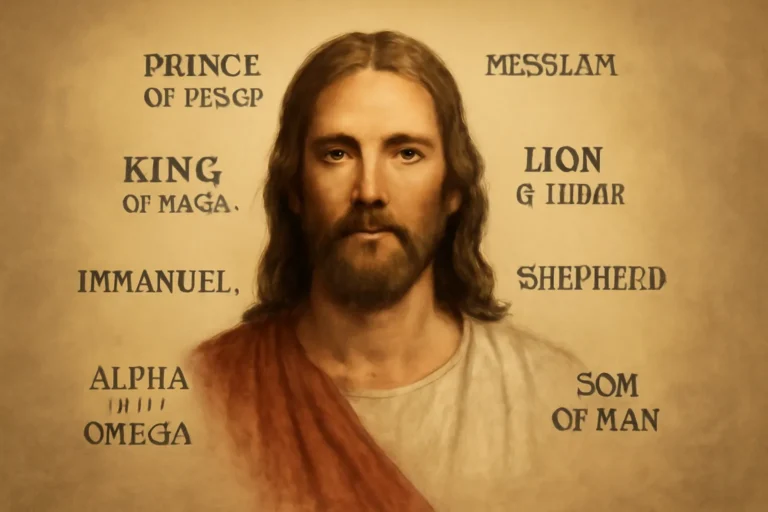
The biblical witness uses a wide array of designations for Jesus and his mission. Each term contributes a distinct nuance—historical, theological, prophetic, or pastoral—while remaining united in a shared confession: Jesus is the Christ, the one through whom God is reconciling the world.
Jesus of Nazareth
The historical figure known in antiquity as Jesus of Nazareth anchors the earthly ministry of the beloved Teacher who traveled through first-century Judea and Galilee. The designation Nazarene identifies a before-meeting with a place, while also inviting reflection on the ordinary locales from which God often works. In the Gospels, the name Jesus appears alongside pronouncements of mission and calls to repentance.
Christ and the Messiah
The title the Christ (Greek: Christos) translates the Hebrew word Mashiach, meaning the Anointed One. In Jewish expectation, the Messiah would inaugurate an era of justice, peace, and restoration. In Christian belief, the Messiah has come in the person of Jesus, fulfilling prophecies and initiating the age of the Spirit. The connection between Messiah and Christ is central to New Testament witness and to countless theological reflections across church history.
Emmanuel and Immanuel: God with us
The prophecy of Emmanuel (from Hebrew Immanuel) proclaims that God is with his people. In the Gospel narratives, the name is applied to Jesus in Matthew 1:23, invoking the conviction that the divine presence has taken human form. This title emphasizes the Incarnation: the Word became flesh, dwelling among us as the divine-human Person who brings salvation by living, teaching, and offering himself for others.
The Word (Logos) Made Flesh
The Prologue of the Gospel of John identifies the Word (Greek Logos) with the person of Jesus, describing how the Word was with God and the Word was God. In John 1:14, the Logos becomes flesh—the Word made flesh—and tabernacles among humanity. This cosmic and theological statement grounds the Christian understanding of revelation and of Jesus as the fullest disclosure of God.
Son of God and Son of Man
The titles Son of God and Son of Man capture two complementary dimensions of Christ. As the Son of God, Jesus shares the divine nature in a unique sense, receiving worship and exercising authority that belongs to the holy Son. As the Son of Man, he embodies humanity and fulfills eschatological expectations from Daniel and other prophetic voices. The double emphasis—divine sonship and universal humanity—helps many readers appreciate the fullness of his person and mission.
Lamb of God, Redeemer, Saviour
In the Gospel of John and in the broader scriptural witness, Lamb of God evokes the imagery of the Passover and sacrifice. Redeemer and Saviour designate the salvific work of Christ—the one who saves from sin, reconciles enemies, and restores relationships. These titles foreground the purpose of his life: to bring forgiveness, covenant faithfulness, and new life.
King of Kings, Lord of Lords, Prince of Peace
Royal and cosmic language appears in both prophetic and eschatological contexts. King of Kings and Lord of Lords speak to sovereign authority over history and creation, while Prince of Peace highlights the reconciliation and wholeness that Jesus’ mission promises. These appellations shape Christian liturgical language and confessional statements alike.
Great High Priest and Mediator
In Hebrews and related Trinitarian reflections, Christ is described as the Great High Priest who mediates between God and humanity. As Mediator, he stands as the indispensable link through which humans approach God, offering authentic access to divine grace and mercy.
Nazarene, Rabbi, and Teacher
The titles Nazarene and Rabbi reflect Jesus’ historical and educational roles. He is repeatedly depicted as a teacher who expounds the Kingdom of God through parables, debates, and direct instruction. The rabbinic idiom invites readers to hear practical ethics, interpretive insight, and a call to conviction.
Additional titles and images in Scripture
Beyond the core set, Christians have also spoken of Christ as the Light of the World, the Bread of Life, the Good Shepherd, and the Resurrection and the Life. In Revelation, titles such as Alpha and Omega, the faithful witness, and the Lion of Judah appear to convey cosmic victory and enduring faithfulness. Together, these pictures form a diverse but coherent portrait of who the Messiah is for the church across time and cultures.
Life and ministry: the earthly work of the Anointed One
The primary narrative arc of the Christian story presents Jesus as the one who announces the Kingdom, embodies mercy, teaches with authority, and calls people to repentance, faith, and discipleship. The Gospel accounts present a complex portrait of his birth, family, ministry, and unique relationship with God the Father, culminating in his crucifixion, resurrection, and ascension.
Birth narratives and early life
The infancy narratives situate Jesus within a covenantal history that culminates in his public ministry. The accounts stress obedience to divine will, the significance of the Virgin Birth in Matthew and Luke, and the demarcation of his identity through annunciations, songs, and prophecies. From Nazareth to Bethlehem, the arcs of his early days set the tone for a life oriented toward Mission, not mere status.
Public ministry: proclamation, teaching, and miracles
In the public sphere, Jesus proclaims the coming of the Kingdom, challenges religious power structures, and invites people to trust in God’s grace. His teachings—such as the parables, the Sermon on the Mount, and ethical exhortations—offer a radical reorientation of life toward love, justice, mercy, and humility. The miracles—restoration, healing, exorcism, and natural signs—serve as signs that the Kingdom has drawn near and that God’s presence is active among people who need mercy and renewal.
Teachings and parables: the ethical center of his ministry
Core themes include love of God and neighbor, forgiveness, humility, and service. The Kingdom is depicted not merely as future hope but as a present reality breaking into ordinary life. The parables teach readers to interpret God’s generosity, to welcome the outcast, and to trust in the divine provision that sustains life in the now and the not-yet.
Interactions with communities: women, children, the poor, and Gentiles
The Gospel narratives highlight Jesus’ inclusive approach—often surprising social norms and stressing the value of compassionate encounter with those on the margins. These interactions illuminate the breadth of his mission: to reconcile all people to God and to heal the fractures within communities through mercy, truth, and transformative love.
Death, Resurrection, and Ascension: the pivotal acts of salvation
Central to Christian faith is the conviction that Christ’s death is not an end but a victory that makes salvation possible for sinners. The resurrection confirms divine endorsement of Jesus’ mission, and the ascension frames his ongoing rule and advocacy before God. These events shape preaching, hymnody, and ethics across Christian communities.
Crucifixion: sacrifice and atonement
The crucifixion of Jesus is interpreted in multiple theological registers: as an act of atonement, as a demonstration of unconditional love, and as a revelation of human brokenness and divine mercy. For many traditions, the cross is the central means by which sin is dealt with, grace is poured out, and humanity is offered reconciliation with God.
Resurrection appearances and the vindication of the Messiah
The report of Jesus’ bodily resurrection functions as the supreme vindication of his claims and as the foundation for Christian hope. For early Christians, the Resurrection validated Jesus’ identity as the Son of God with power and demonstrated that death is not the final word. The emptied tomb becomes a call to faith, transformation, and a transformed life in the Spirit.
Ascension and ongoing presence
The ascension marks the transition from visible to invisible presence: Christ remains, by the Spirit, present with his people, guiding, empowering, and interceding. The Ascended Lord is enthroned in glory, yet intimately close to believers through the Spirit, sustaining mission and worship and shaping a global ecclesial life under divine lordship.
Theology of Christ: how Christians understand the person and work of Christ
Christian theologians articulate a coherent set of beliefs about Christ that helps yield understanding across centuries and cultures. While the details vary by tradition, several core motifs remain common: the Incarnation, the Father’s plan of salvation, and the work of reconciliation through the cross and resurrection.
Incarnation: the Word taking flesh
The doctrine of the Incarnation affirms that the Word became flesh in the person of Jesus. This mean that God has drawn near in a concrete, historical, and personal way. The Incarnation anchors a theology that affirms both full divinity and full humanity in the Christ, without confusion or compromise.
Atonement and at-one-ment: meanings of the cross
The cross is interpreted through various atonement theories, including penal substitution (themselves a debated category), Christus Victor (victory over powers), and moral influence (the transformative power of love). Across Protestant, Catholic, and Orthodox landscapes, there remains a shared conviction that Christ’s crucifixion and resurrection open a new relationship between humanity and God, making possible forgiveness, reconciliation, and new life.
Christological unity: two natures, one person
The traditional statement of the early church—whether expressed through the language of the councils or through contemporary catechesis—emphasizes the hypostatic union: Jesus is fully divine and fully human, united in one person. This union shapes how Christians think about revelation, moral action, intercession, and the possibility of true relationship with God.
Trinitarian context: Christ within the triune God
In Christian doctrine, the Son is eternally generated by the Father and proceeds from the Spirit in shared divine life. In this sense, Jesus is not a standalone figure but the central personal expression of the triune God’s self-revelation. This Triune frame grounds the church’s worship, prayer, and understanding of grace.
Scripture, typology, and fulfillment: how the Old Testament anticipates the New
Christians interpret the Bible as a unified narrative in which the Messiah fulfills expectations embedded in earlier scriptures. Typology and prophecy are used to show that Jesus is the culmination of God’s ongoing plan for humanity, instructing interpreters to read the pages of scripture as one integrated story of salvation.
Old Testament types pointing to the Anointed One
Various figures in the Hebrew Bible are viewed as foreshadowing the Christ, including:
- Moses as a Mediator who leads people to covenant life;
- David as a model of royal humility and shepherd leadership;
- Melchizedek as a priest-king who foreshadows a superior priesthood;
- The suffering servant in Isaiah whose affliction leads to liberation for many.
New Testament fulfillment: Jesus as the culmination
In the New Testament, the life and work of Jesus are presented as the fulfilment of these types and prophecies. Gospels present him as the expected heir of David, the righteous priest who offers himself, and the prophetic voice who inaugurates the Kingdom of God. The apostolic writings interpret Jesus’ life as the decisive act by which God reconciles the world and enacts the new covenant.
Worship, practice, and devotion centered on Christ
Across Christian communities, devotion to Christ shapes liturgy, prayer, sacraments, and everyday life. The person and work of the Lord give rise to a pattern of worship that is reverent, grateful, and mission-minded.
Liturgical life and recurring expressions
In many traditions, worship centers on the person of Jesus, often addressed in prayer by titles such as Lord, Christ, and Savior. Scripture readings, creedal affirmations, and sacramental practices help believers orient their entire life around the central reality of God’s saving action in the Messiah.
Sacraments and signs of grace
Sacramental life—such as baptism and the Eucharist (also called the Lord’s Supper or the Holy Communion)—is commonly understood as a means by which believers encounter the living presence of the Lord. In many Christian communities, these rites are accompanied by confessional statements about Christ’s death and resurrection, and by prayers that center on gratitude, repentance, and renewed commitment to imitate Christ in daily life.
Christ in creeds and catechesis
Historic creeds—such as the Apostles’ Creed and the Nicene Creed—proclaim Jesus the Christ as a central confession of the faith: the incarnate Word, crucified for humanity, risen, and seated at the Father’s right hand. Catechesis often emphasizes the life of Christ, the call to discipleship, and the transformative power of the Spirit in the life of believers.
Ecumenical and intertraditional perspectives on Christ
Across denominations, the core recognition of Jesus as the Christ remains, though expression and emphasis vary. These differences reflect historical contexts, theological priorities, and liturgical cultures. Yet the shared center—trust in God’s plan in and through the Anointed One—binds diverse communities in common confession and mission.
Roman Catholic, Orthodox, and Protestant visions
In Catholic and Orthodox traditions, the Incarnation, the cross, and the Eucharist function within a sacramental and liturgical framework that emphasizes mystery, grace, and ecclesial continuity. Protestant streams often foreground the authority of Scripture, the priesthood of all believers, and the proclamation of the gospel, while still confessing the central identities of Jesus and the Christ.
Charismatic and evangelical emphases
In many evangelical and charismatic communities, the personal relationship with Jesus—as Savior, Friend, and Lord—takes center stage through preaching, testimony, and personal devotion. The Holy Spirit’s presence and gifts are understood as the ongoing empowerment for mission and for transformed living, with Christ at the heart of both personal piety and public witness.
Interfaith and cross-cultural dialogue
In interfaith contexts, Christ may be explored as a figure of Jewish-Christian continuity, as a teacher in a broader religious landscape, or as a symbol of ethical transformation. Dialogues often focus on shared values—justice, mercy, peace—while maintaining distinct theological claims about the Messiah and the uniqueness of the Incarnation.
Global perspectives: Christ in the Christian diaspora
Across continents and cultures, the figure of Christ has been interpreted in ways that reflect local histories, languages, and social concerns. From African and Asian Christian communities to diaspora networks in Europe and the Americas, the living gospel continues to shape worship, ethics, and social action. In each context, the core message remains: faith in Christ invites repentance, trust, and a life oriented toward God’s reign of justice and mercy.
Names as bridges across cultures
The use of diverse titles—Messiah, the Anointed One, the Word, the Logos, Emmanuel, and the Lamb of God—helps communities translate the gospel into local language and understandings. This semantic breadth encourages universal access to the story of Christ while honoring particular historical and linguistic roots.
Ethical implications: following the Christ in daily life
The life and sayings of Jesus of Nazareth present a moral framework that has guided countless individuals and communities. From parables about mercy to commandments about love and humility, the ethical horizon of Christology invites believers to participate in the work of reconciliation, justice, and peace in a broken world.
- Love of neighbor as central commandment.
- Mercy toward the vulnerable, including the marginalized and the poor.
- Humility in leadership, modeled after the Servant of the Lord.
- Faith that God’s future has begun in the present through the Spirit.
Key doctrinal and devotional concepts associated with Christ
To gather the main streams of Christian doctrinal reflection, consider the following concepts, each linked to the broader meaning of Christ in the life of faith:
- Incarnation as God’s entry into humanity in the Word made flesh.
- Atonement as the means by which reconciliation with God is accomplished.
- Resurrection as the triumph over sin and death and the guarantee of new life.
- Intercession as Christ’s ongoing advocacy for believers before the Father.
- Return and judgment as the future consummation of God’s plan for creation.
Practical reflections: approaching Christ in study, worship, and service
Engaging with the Christ invites believers into a life of study, worship, and service. The following practical avenues help Christians nurture faithful discipleship:
- Scripture study that reads the Old and New Testaments in conversation, recognizing how prophecies and types point toward the Messiah.
- Prayer directed to the risen Lord, seeking guidance, strength, and solidarity with the vulnerable.
- Worship that centers on the person and work of Jesus, often expressed through song, sacrament, and communal liturgy.
- Ethical action modeled on Christ’s teachings, particularly in areas of justice, mercy, and reconciliation.
Historical development: from early church to modern scholarship
The veneration of Christ has evolved through centuries, shaped by councils, creeds, theological debates, and mission in diverse cultures. Early church concerns focused on Christ’s identity and relation to the Father; later debates refined ideas about the Trinity, the two natures, and the work of salvation. In modern scholarship, critical study of the historical Jesus, the development of early churches, and the interpretation of scriptural texts continue to deepen, challenge, and enrich the church’s understanding of the Christ.
Conclusion: the enduring significance of Christ
Across time and across cultures, Christ remains a living and transformative reality for those who encounter him in Scripture, tradition, and community. Whether approached as the Messiah who fulfills ancient promises, the Word who reveals God, or the Lord who sustains every act of faith, the figure of Jesus invites a response: trust, repentance, worship, and a life oriented toward God’s reign.
Key Names and their meanings (summary list)
- Jesus of Nazareth — historical figure and teacher.
- Christ / Christos — the Anointed One, the Messiah.
- Emmanuel / Immanuel — God with us.
- Word / Logos — divine revelation made flesh.
- Son of God — unique divine sonship.
- Son of Man — humanity and eschatological figure.
- Lamb of God — sacrifice and redemption.
- Savior / Redeemer — salvation and restoration.
- King of Kings / Lord of Lords — sovereign authority.
- Prince of Peace, Wonderful Counselor — messianic titles in Isaiah.
- Great High Priest — mediator and intercessor.
- Rabbi — teacher and guiding authority.
In reading these names and titles, readers encounter a tapestry: Christ as both the historical figure who walked the first-century landscapes and the cosmic Savior who continues to meet, transform, and accompany believers in every era. The biblical witness is not a static catalog of labels but a dynamic invitation to encounter the Messiah who invites faith, shapes conscience, and sustains hope for a broken world.