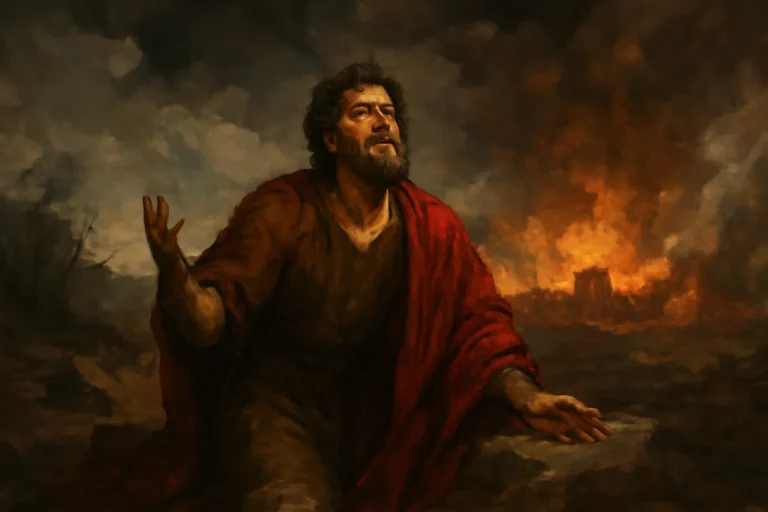
Understanding the Reality of Waiting on God’s Timing
Waiting on God’s timing is not simply passive resignation to circumstances. It is a dynamic, faith-filled posture in which a believer aligns heart and actions with a divine timetable that transcends human chronology. In the Christian story, God’s timing is not a cruel delay or a distant plan but a patient, purposeful unfolding of grace, truth, and revelation. To wait well is to live in hopeful expectation while remaining faithful in small obediences, even when outcomes are uncertain or unseen. This reframing helps us move from accusation against God or self-pity over delay to a posture of trust that can cultivate resilience, discernment, and spiritual growth.
In practical terms, waiting on God’s timing invites us to practice trust in the slow work of the Spirit, to develop endurance in the face of ambiguity, and to discern the moments when God invites action that accompanies faith. The concept also carries a profound pastoral resonance: waiting is not punishment but preparation. It can be a season in which God shapes character, refines motives, and deepens dependency on Him. This section lays the groundwork for a robust exploration of what it means to wait well—informationally, philosophically, and theologically—and offers a map for navigating the interior landscape of longing, expectation, and submission.
Across biblical narratives, we observe a spectrum of waiting—from quiet, intimate anticipation to public, communal suspense. The repeated refrain is that God’s purposes are larger than our plans, and our growth often occurs in seasons of waiting rather than in immediate gratification. As you walk through this article, you will encounter divine sovereignty, human responsibility, and the invitation to participate in God’s work with open hands and patient hearts. The question is not whether we will wait, but how we will wait—what kind of posture, what kind of discipline, and what kind of hope will sustain us when the clock seems to stand still.
In approaching this topic, it can be helpful to distinguish between timing and timeliness. Timing refers to the moment itself as God intends it; timeliness speaks to the readiness we cultivate to recognize, embrace, and act when the moment arrives. This distinction can help prevent the idolization of delay or the frantic impulse to rush ahead. When we speak about the vocabulary of waiting, we encounter terms such as kairos (God’s appointed, decisive moment) and chronos (chronological time). The Bible often contrasts these two concepts to remind us that human calendars are not enough to measure the fullness of God’s plan. In practice, this means cultivating spiritual discernment, so that we can recognize kairos moments within chronos time and respond with fidelity when God’s appointed moment arrives.
Scriptural Foundations
Old Testament Examples
Many arcs of Scripture center on people who waited for God’s promise to unfold. Their experiences illuminate both the temptations and the disciplines of waiting. In each case, patient trust and active obedience become the twin anchors that sustain faith when the outcome is uncertain.
Abraham and Sarah waited decades for the fulfillment of God’s promise of a son. In the waiting, they faced fear, doubt, and the cultural pressure of a world that modeled immediate results. Yet their story demonstrates how faith grows not in spite of delay but through it, as God works in ways beyond what humans can imagine and finally provides a child—an heir through whom a nation would emerge.
Joseph endured betrayal, slavery, and imprisonment before stepping into a divine timeline that placed him as a liberator for his family and a key participant in a broader redemptive narrative. His life shows how patience under trial can yield exquisite fruit, and how trust in God’s sovereignty can outlast suspicion, resentment, and despair.
David waited for years to become king, navigating the complexities of jealousy, political maneuvering, and the real danger of misreading opportunities. In his anguish and longing, he learned to anchor his hope in God and to cultivate a heart that reveres divine timing above personal ambition.
Israel in the wilderness reminded a community that even when the destination is promised, the journey itself has a purpose—often tempering greed, refining obedience, and teaching reliance on daily bread and daily presence with God.
Daniel and his companions faced exile and pressure to conform, yet they remained faithful in prayer and steadfast in moral integrity. Their experience demonstrates that even in foreign lands, spiritual discipline and fidelity can preserve a people for a future revelation of God’s plan.
The New Testament continues the theme of waiting in the context of anticipation for the Messiah, the spreading of the Gospel, and the formation of a community that bears witness in the world. The teachings of Jesus and the early church provide practical and theological guidance on how to wait with hope, discernment, and action.
The annunciation and infancy narratives reveal that God’s plans often unfold through humble means and quiet moments of obedience. Mary’s “let it be to me according to your word” becomes a model for embracing divine timing with trust, even when the path forward is paradoxical or challenging.
Simeon and Anna in the temple patiently awaited the unveiling of salvation in Christ. Their stories highlight the virtue of waiting with holy expectancy and readiness to recognize the moment when God’s salvation appears, even as it challenges ordinary expectations.
The fullness of time in Galatians speaks to a cosmic moment when God sent Jesus into world history. This phrase invites believers to consider how God’s redemptive work unfolds in a larger, legitimate chronology that exceeds human schedules.
Paul’s mission and imprisonment reveal a paradox: even in confinement, the Gospel advances. The apostle’s perspective on timing emphasizes that God’s power can operate through apparent delays, setbacks, or the silent years between pivotal moments.
Theological Concepts Surrounding Timing
Delving into the theology of timing helps to illuminate why waiting matters theologically. Four themes recur across Scripture and Christian reflection: sovereignty, providence, obedience, and hope. Each theme interacts with practical life, shaping choices, attitudes, and communities that live by faith, not by sight.
Sovereignty and Providence
Sovereignty asserts that God reigns over all events, big and small, and that nothing occurs outside His permission or plan. Providence refers to God’s ongoing care that sustains creation while guiding history toward a redemptive end. When believers encounter a season of waiting, sovereignty can be a comfort and a challenge: it invites humility and a deeper reliance on God, while demanding that we trust God’s purposes even when our human senses cannot detect them.
Obedience in the Delay
Waiting does not absolve us of obedience; rather, it redefines obedience for the present moment. Delay can create opportunity for new acts of faithfulness—acts that cultivate character, strengthen community, and align daily choices with a larger vision. Obedience in the waiting might include continued prayer, steady moral integrity, generous service to others, and readiness to respond when the moment of action arrives.
Hope and Endurance
Hope anchored in God’s promises sustains endurance. The Christian tradition distinguishes between hopeful expectation and wishful thinking, grounding hope in God’s faithfulness rather than in guaranteed outcomes. Endurance is not endurance for endurance’s sake but a discipline that progresses toward spiritual maturity, a deeper knowledge of God, and readiness to cooperate with His aims when the season shifts.
Kairos vs Chronos Revisited
The ancient Greek terms kairos and chronos offer a useful framework. Kairos denotes the opportune, decisive, and meaningful moment in time—the moment God uses to accomplish a particular purpose. Chronos is chronological time, the ordinary progression of days, months, and years. Believers are invited to cultivate a sensitivity to kairos within chronos, recognizing that each day bears potential opportunities to align with God’s larger plan. In practical terms, this means developing discernment, listening for God’s voice in ordinary routines, and remaining open to sudden shifts in direction when He moves.
Practices for Waiting Well
Waiting well is an active practice that encompasses disciplines of soul, mind, and body. The following strategies are not formulas, but wells from which a believer can draw during seasons of delay. They aim to cultivate a posture of faith that is sturdy enough to withstand disappointment and flexible enough to respond to God’s leading when it comes.
Spiritual Disciplines During the Season of Waiting
Prayer as ongoing conversation with God—honest questions, faithful thanksgiving, and listening for God’s gentle nudges in the quiet or the crowd.
Scripture meditation—re-reading promises, narratives, and prayers to ground hope in God’s revealed character.
Worship—cultivating joy, awe, and reverence even when outcomes are unclear; worship reframes the waiting as partnership with God rather than punishment.
Fasting—where appropriate, practiced restraint can sharpen dependence on God and clarify desires that may be clouded by fear or ambition.
Journaling—tracking prayers, discernments, and moments of remembrance when God has answered or guided in the past.
Community and accountability—sharing the journey with trusted friends, mentors, or spiritual directors who can provide encouragement, truth, and gentle correction.
Practical Steps to Stay Faithful While You Wait
Identify a clear current obedience in your life—something you know God has asked of you today, even if the bigger outcome remains uncertain.
Create a reality check on expectations: what would true faithfulness look like if the desired outcome never materialized?
Build a rhythm of gentle hope—a habit of reminding yourself of God’s faithfulness in the past and His promises for the future.
Invite your own soul to rest in God—to cease striving for control and to entrust outcomes to Him while you continue to do the next right thing.
Engage in service and generosity as acts of worship that reflect trust in God’s economy of blessing beyond the immediate horizon.
Critical to this practice is recognizing that God often uses the waiting period to refine motives and align hearts with His purposes. When God calls us to wait, He is not absent; He is forming a readiness that will enable us to steward blessing with humility and courage when the moment arrives.
Common Questions and Answers
What if the wait becomes unbearably painful?
Pain in the wait is real, and it is not a sign of weak faith. The biblical tradition models lament and honest prayer as legitimate expressions of the soul before God. When the burden grows heavy, lean into God with your questions, pour out your heart in conversation with Him, and invite compassionate community to bear the burden with you. Remember that God’s presence remains with you in the valley, and endurance grows through lament and trust alike.
How can I know I’m hearing God’s voice during a long season of waiting?
Discernment emerges from a milieu of spiritual practices—consistent prayer, Scriptural alignment, community counsel, and a calm, patient setting where obedience is prioritized over impulse. When uncertainty is high, testing choices against God’s revealed character (love, justice, mercy, truth) and seeking confirmation through wise mentors can help you distinguish genuine guidance from personal wishful thinking.
Is waiting passive, or is there a proactive dimension?
Waiting is not passive. Scriptural examples reveal waiting as an active engagement with God’s purposes: ongoing prayer, continued obedience, and readiness to follow when the opportunity arises. Proactivity in this sense means doing the next faithful thing—investing in relationships, serving others, cultivating virtue, learning, growing, and preparing for the moment when God moves. The pace may be slow, but the heart remains firmly engaged with God’s plan.
Can waiting for a personal blessing coexist with compassion for others?
Yes. A robust theology of timing embraces a communal dimension. While awaiting personal blessing, believers can participate in acts of mercy, justice, and hospitality that reflect the kingdom’s values. In doing so, waiting becomes a chance to contribute to the flourishing of others, thereby aligning personal desire with God’s broader invitation to bless the world.
Living in the Tension: Faith and Action
The Christian life is lived in the tension between confident expectation and faithful obedience. This tension is not intended to produce cynicism or passivity but to cultivate a robust, resilient faith. When God calls us to wait, He invites us to live with one foot in hope and one foot in action, so that even the waiting becomes a ministry of trust to others and a testament to God’s sustaining presence.
Personal Transformation through Delayed Fulfillment
Delays have a way of revealing what lies in the human heart. Waiting can reveal areas of pride, self-reliance, or fear. It can also reveal strengths: perseverance, spiritual curiosity, and a capacity to love neighbor more deeply. The journey from frustration to maturity is often the spiritual fruit of a long, faithful wait. The goal is not merely to endure but to grow in grace and become more conformed to the image of Christ through every season of waiting.
Communal and Ecclesial Implications
In a church or faith community, waiting well can become a shared discipline that strengthens bonds and deepens trust. Communities can:
Provide space for honest lament and hopeful worship, creating a culture where people feel safe to bring their questions to God.
Encourage intergenerational faith, where younger and older believers share observations about God’s faithfulness through seasons of delay.
Offer structured mentoring, where seasoned believers guide newer believers through the complexities of waiting with wisdom, patience, and courage.
Promote service initiatives that remind the congregation that God’s purposes include blessing others through action, even when personal outcomes are not yet realized.
Testimonies and Testimonies of Hope
Stories of individuals and communities who faced long seasons of waiting can be powerful instruments of faith. Testimonies about how God’s timing proved gracious—sometimes through a turn of events, sometimes in the quiet deepening of trust—offer encouragement to those who read or hear them. These narratives remind us that delay is not denigration, but a channel through which God can reveal steadfast love, surpassing wisdom, and a future that far exceeds our plans.
Ultimately, the journey of waiting on God’s timing is a spiritual pilgrimage toward deeper trust in the God who spoke the world into being and who also speaks into our particular lives today. The call to wait invites us to:
Rest in God’s sovereignty while remaining vigilant for His leading,
Humble our ambitions to align with divine purposes rather than personal convenience,
Grow in character through trials that refine faith and strengthen mercy,
Engage in hopeful, active obedience so that we are ready to respond when the appointed time arrives,
Trust the Spirit’s work in our lives, in the church, and in the world, knowing that God’s calendar is perfect even when ours is hurried.
As you continue this journey, hold fast to the conviction that God’s timing is never arbitrary or punitive. It is a divine economy of grace, through which He shapes us for greater fruitfulness, wisdom, and love. The season of waiting can become, in God’s gracious design, a season of intimate drawing near to Him, where faith is refined, hope is renewed, and strength is renewed like the eagle’s. When the moment finally comes—whether in a sudden breakthrough, a quiet turn of circumstance, or a reorientation you had not anticipated—you will be ready to move forward with clarity, courage, and a trust that has stood the test of time.
May this journey—rooted in Scripture, informed by the church, and energized by the Spirit—produce a people who do not merely endure the waiting but carry it as a luminous testimony of faith. May your heart learn to say with Paul that in the midst of delay, you have learned to be content in whatever state you find yourself, knowing that God’s timing is the instrument of His grace at work in you and through you for the good of others and the glory of God.