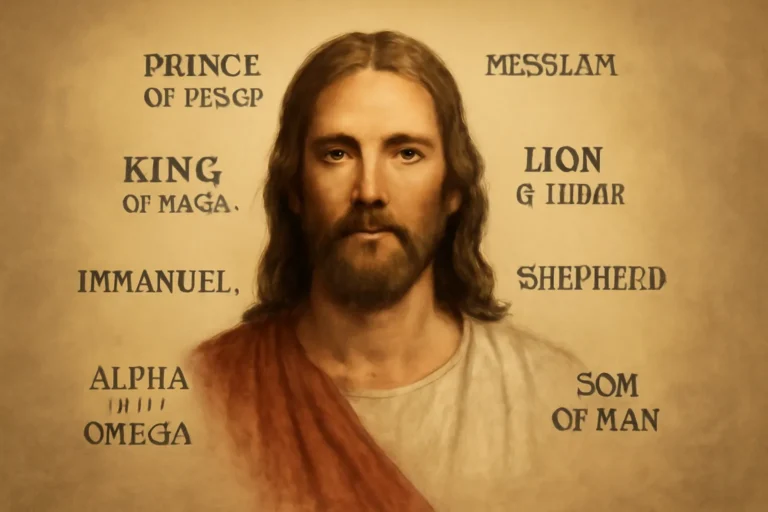

In the vast landscape of theological thought, the topic of righteous anger stands as a challenging and essential thread. The wrath of God is not a simplistic outburst but a complex attribute that intersects holiness, justice, mercy, and love. This article surveys the biblical, historical, and theological dimensions of divine wrath, exploring how it is described, interpreted, and applied within the Christian tradition. We will examine its roots in Scripture, its coherence with God’s character, its implications for ethics and worship, and the varied interpretive frameworks scholars and pastors use to articulate its meaning for contemporary faith communities. The aim is not to provide a single, dogmatic conclusion, but to illuminate the breadth and depth of this profound topic.
Understanding the Concept: Foundations of Divine Wrath
Definitions and Semantic Range
The terms righteous anger, holy wrath, and divine wrath point toward anger that is not capricious or emotive in the human sense but grounded in the perfection of God’s character. In biblical languages, many phrases convey the sense of God’s judgment against sin and his determined opposition to injustice. While some traditions distinguish anger from wrath, in broad usage they describe God’s corrective response to violation of the moral order he has established. In many passages, wrath is not an isolated mood but a dimension of governance—an insistence that evil cannot go unaddressed when it opposes the good.
A helpful distinction for readers is to separate divine anger from the human emotions that sometimes accompany it. Righteous anger is tightly bound to God’s holiness, whereas human anger can be tainted by bias, prejudice, or self-interest. The biblical stress on God’s justice implies that wrath has a purpose beyond mere retribution: it upholds the dignity of persons, vindicates the oppressed, and restores order in creation.
Historical and Biblical Contexts
The concept of divine wrath appears throughout Scripture, with prominent portraits in both the Old and New Testaments. In the Hebrew Bible, anger is often described as a response to covenant infidelity, idolatry, or systemic injustice. In the New Testament, wrath is reframed in light of the gospel, where Christ’s work is understood as a decisive action against the powers of sin and death. Across the biblical witness, the wrath of God is never disconnected from God’s saving purposes and promises to renew all things.
The wrath of God is frequently linked to scales of justice: when human beings persist in rebellion, God’s response is a sober, measured, and ultimately transformative judgment. Some scholars emphasize that wrath is not an impulsive act but a sustained pattern of divine governance that seeks repentance and restoration rather than annihilation. In this sense, divine anger can be heard as a parental corrective that aims at the flourishing of life and the vindication of the vulnerable.
The biblical narrative often frames wrath in relation to covenants, promises, and the moral order that God has established. The tables are turned, so to speak, when sin threatens the fabric of creation. Thus, holy indignation is not a mere temperament but a theological category that preserves the integrity of God’s law while inviting repentance and reconciliation.
Theological Foundations: How Wrath Relates to Holiness, Justice, and Love
Holiness as the Ground of Wrath
A central claim across Christian theology is that God’s holiness is the fundamental reason for divine wrath. Holiness denotes a separateness that is perfect and pure, aligning with the claim that God cannot tolerate moral pollution within the good creation he loves. When sin distorts reality, wrath becomes a corrective expression of God’s commitment to holiness. This is not vindictiveness but faithfulness to the moral order God has designed.
Because holiness is non-negotiable and comprehensive, God’s response to systemic evil is necessarily serious. Yet the same holiness also fixes the standard by which all people are judged. In the biblical witness, the severity of wrath serves a redemptive function: it exposes sin, awakens conscience, and invites transformation through repentance.
Justice, Mercy, and the Tension with Love
The interplay of divine justice and divine mercy is central to the discourse on wrath. Some theologians highlight a tension: if God is love, how can he also manifest wrath toward sin? The integrated answer across traditions is that wrath and love do not cancel each other but rather belong to a coherent, unified love that seeks the freedom and well-being of creation. In this view, wrath is an expression of committed love—the refusal to permit sin to flourish in ways that harm the beloved.
A related claim is that wrath is not opposed to mercy but a precondition for mercy. Without wrath against evil, the possibility of genuine forgiveness and restoration would be undermined. In this sense, the wrath of God creates a space for grace to operate—through judgment that clears the way for reconciliation, restitution, and new life.
Judgment, Covenant, and Accountability
The scriptural motif of covenant underlines the accountability that accompanies divine wrath. When a relationship with God is established through covenant, obedience becomes the path to blessing, while rebellion invites judgment. The seriousness of this dynamic is frequently described through language of law-court imagery, with God as the righteous judge who “executes justice” and defends the vulnerable. Theologically, this does not imply a cold or mechanical system; it is a narrative about the integrity of creation and the possibility of restoration that respects the dignity of all beings.
Scriptural Portraits of Divine Wrath: Old and New Testament Perspectives
Old Testament: The God Who Judges and Delivers
The Old Testament presents wrath in contexts ranging from catastrophes that befall nations to intimate calls for repentance. In stories like the flood, the destruction of Sodom and Gomorrah, and the plagues that accompany Exodus, readers encounter a God who acts decisively against systemic injustice and rebellion. Yet even within these narratives, mercy and long-suffering are present, revealing a God who is faithful to the covenant and patient with a stubborn people.
Some key motifs illuminate how righteous anger operates in the Hebrew Bible:
- Divine judgment as corrective discipline: God disciplines nations and individuals to awaken repentance and renewal.
- Protection of the vulnerable: wrath is directed against oppression, injustice, and the exploitation of the weak.
- Calls to repentance: prophetic messages urge a moral turn and promise restoration if humility is shown.
The prophets frequently link God’s anger to the failure to honor covenants, observe justice, and sustain the integrity of communities. In many prophetic oracles, wrath is not an end in itself but a means to realign people with God’s purposes.
New Testament: Wrath Reframed in the Light of Christ
In the New Testament, the figure of wrath is reinterpreted through the lens of the gospel. The life, death, and resurrection of Jesus are often read as the climactic event in which divine wrath against sin is satisfied, fulfilled, and redirected toward human reconciliation with God. The apostolic writings emphasize that wrath remains the motive for justice but provides the way for grace to enter the world with transformative power.
Important strands in the New Testament include:
- Prophetic interruption: Jesus interrupts economic and ritual hypocrisy in the temple, signaling the divine indictment of systems that dehumanize people.
- Substitution and atonement: Paul and other writers emphasize how Christ’s sacrifice bears the penalty due to sin, addressing the verdict of shameful guilt that yields true liberation.
- Cosmic restoration: eschatological visions affirm that wrath is ultimately aimed at the cosmic defeat of evil and the renewal of all things.
Theological Models of Atonement and Wrath: How the Wrath Is Addressed
Penal Substitution: A Core Clarification
The penal substitution model posits that humanity stands under judgment because of sin, and Christ bears that judgment in place of sinners. This framework aligns the wrath of God with divine justice and the ethical necessity of punishment for sin. It presents the cross as the moment when God’s holiness and mercy converge: wrath is appeased, and forgiveness is offered to the repentant.
Proponents argue that without a penalty for sin, divine justice would be compromised. Critics, however, ask how such a theory accounts for a loving God or how Christ’s death communicates with a modern, plural context. The ongoing discussion invites careful biblical exegesis and sensitivity to diverse theological horizons.
Other Theological Models and the Peaceful Reformulation of Wrath
Beyond penal substitution, scholars articulate rival or complementary perspectives:
- Christus Victor: Christ defeats the powers of sin and death, enacting victory rather than a legal transaction.
- Moral Influence: Christ’s life and love awaken repentance and moral transformation, with wrath as a protective response to sin rather than a punitive mechanism.
- Recapitulation: Christ recapitulates the life of Israel, restoring the intended order and overcoming evil within the narrative arc of history.
Each model seeks to articulate the relationship between divine wrath and divine mercy, offering different emphases on how wrath functions within salvation history. Some theologians emphasize the inclusivity of grace, while others stress the necessity of justice to preserve the integrity of creation.
The Role of the Cross: A Specific Case for Wrath and Redemption
The cross is often understood as the central locus where divine wrath and divine love meet. In this reading, Jesus bears the consequences of human rebellion, bearing the penalty and absorbing the anger that rightly belongs to sin. The resurrection then signals the defeat of sin’s power and the possibility of new life for humanity. This narrative frames the wrath not as vengeance but as a mechanism by which forgiveness and reconciliation become possible for those who trust in Christ.
Yet readers should be attentive to the diversity of theological language about the cross. Some emphasize substitution, others emphasize solidarity with sinners, and still others highlight cosmic conquest or moral influence. The breadth of perspectives invites careful study and pastoral discernment as communities seek to live out the implications of atonement in everyday faith.
Ethical and Pastoral Implications: Living with the Reality of Divine Wrath
Pastoral Care: Addressing Fear, Guilt, and Hope
The presence of holy wrath in Christian teaching can be unsettling for some believers. Pastors and teachers often aim to translate theological language into pastoral care that fosters hope and moral courage. A balanced approach emphasizes both accountability and mercy, recognizing that the gospel invites repentance without crushing life-affirming dignity.
Key pastoral tasks include helping people wrestle with guilt in a manner that leads to trust in God’s forgiving mercy, while also encouraging communities to pursue justice and mercy in practical ways. When fear or punitive attitudes take hold, communities may need to be reminded of the overarching narrative of God’s redemptive purpose.
Ethics, Justice, and Social Witness
The doctrine of divine wrath has concrete implications for social ethics. If God is offended by oppression and seeks to uphold the vulnerable, then a faithful Christian life includes advocating for human dignity, systemic justice, and compassionate care for the marginalized. Righteous anger directed toward injustice can be redirected into constructive action—advocacy, rescue missions, and reconciliation initiatives that embody the love that undergirds Christian witness.
In contemporary sermons and studies, practitioners distinguish between righteous anger and uncontrolled fury. The former aims at corrective transformation; the latter harms communities and distorts the gospel message. The ethical task is to cultivate discernment, humility, and patience as people pursue justice in ways that reflect Christ’s lordship.
Contemporary Debates and Questions About Wrath and Love
Is Divine Wrath Always Eternal?
Some traditions affirm that divine wrath has enduring implications, especially in eschatological expectations of judgment. Others suggest that wrath is ultimately resolved through universal or restorative outcomes, depending on the interpretive framework. This debate touches on soteriology, cosmology, and the nature of God’s immutable character. Regardless of the position, the aim remains to understand how divine anger serves God’s purposes of healing and renewal.
How Should Believers Talk About Wrath Today?
Language matters when describing God’s anger. Juridical and courtroom imagery can illuminate aspects of justice, but pastoral care often requires language that resonates with contemporary experience. Some communities emphasize metaphorical or symbolic language to avoid a caricature of God as punitive without mercy. Others retain robust formulations of wrath to defend moral accountability. A helpful approach is to pair the language of wrath with clear witness to mercy, hope, and the possibility of transformation through grace.
Wrath, Suffering, and the Problem of Evil
The problem of evil raises difficult questions about where divine wrath fits within a world of suffering. Theologians distinguish between human-caused suffering, natural evil, and the divine redemptive purposes that can emerge from hardship. In some readings, wrath is a response to human rebellion that culminates in the more comprehensive healing of creation. In others, the emphasis shifts toward solidarity with sufferers and the ministry of reconciliation that follows Christ’s example.
Practical Reflections for Worship, Teaching, and Formation
Liturgy and Prayer
In worship settings, reflections on righteous anger and the wrath of God can be integrated through prayers that acknowledge sin, plead for mercy, and celebrate redemption. Bowed hearts, confessing communities, and liturgical acts of lament can accompany affirmations of divine justice. At the same time, prayers of praise for God’s steadfast love remind worshippers that wrath exists within a larger pattern of mercy and renewal.
For teachers and preachers, careful exegesis helps avoid caricature while presenting a robust anthropology of sin and a confident proclamation of grace. Sermons that foreground God’s holiness, human accountability, and the invitation to repentance can cultivate discernment and hope.
Education and Catechesis
In catechetical settings, instructors can present several model frameworks for understanding wrath, inviting students to compare biblical passages, historical interpretations, and contemporary applications. This critical education helps believers navigate tensions between justice and mercy, sovereignty and freedom, and divine wrath and human responsibility.
- Encourage readers to distinguish between personal anger and divine wrath, noting the ethical distinctions and similarities.
- Highlight the constancy of God’s character—holy, just, merciful, and faithful.
- Explore how different atonement theories address the question of wrath in practical life.
Conclusion: The Living Significance of God’s Wrath for Faith and Hope
The topic of righteous anger and the wrath of God invites believers into a disciplined reflection on the sacred order. The biblical witness presents wrath as a serious and consequential reality that arises from God’s holiness and justice, yet is always mediated by a larger story of mercy and grace. Whether interpreted through penal substitution, Christus Victor, moral influence, or recapitulation, the various models converge on a fundamental conviction: sin is serious, God is holy, and reconciliation is possible because of God’s decisive acts in history.
For today’s church, the challenge is to speak truth about God’s wrath without fear or sensationalism, to speak pastorally to the fears of the faithful, and to bear witness by lives of justice, mercy, and hope. In the end, the wrath of God is not an end in itself but a doorway to restoration—an invitation to trust in the One who judges justly and saves completely. As communities gather around the crucified and risen Lord, they are called to live with both reverence and courage, acknowledging that divine wrath, rightly understood, drives the human heart toward repentance, reconciliation, and the renewed creation for which all creation longs.