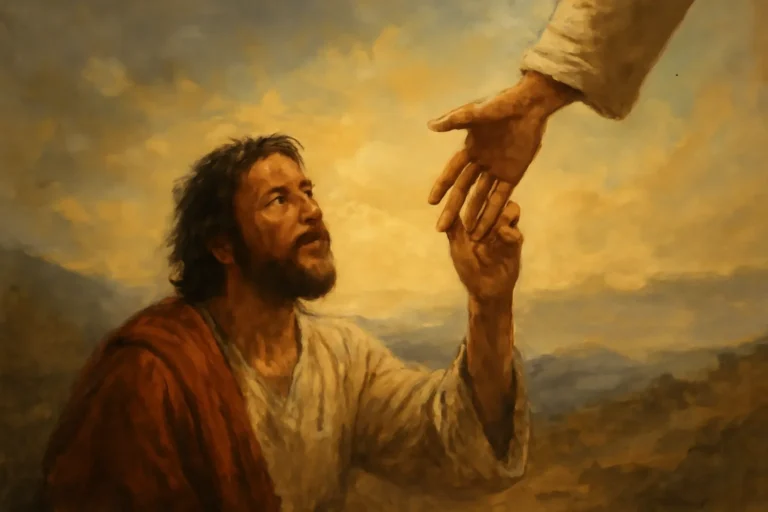

Introduction: The Quest for a Life Well Lived
Across the ages, communities of faith have sought to answer a simple yet profound question: how should a person live in order to be truly fulfilled, in harmony with the divine, with others, and with the world we inhabit? The answer is not merely a set of rules or a checklist, but a holistic way of being that can be described as a life well lived in the religious sense. This term is not a static ideal; it is a dynamic journey that invites ongoing transformation, discipline, and generosity.
In this article, we explore variations of a life well lived through the lens of multiple religious traditions, alongside contemporary interpretive insights. We will consider how different faiths articulate the aims of virtue, worship, service, and moral discernment, and how individuals can cultivate a life of meaning—one that endures beyond personal achievement and extends into the welfare of neighbors, communities, and creation. Whether you come from a particular tradition or approach from a broader educational or contemplative stance, the question invites careful listening, courageous action, and sustained hope.
Definitions and Dimensions
The phrase a life well lived can be unpacked into several interlocking dimensions: ethical conduct, spiritual discipline, relationships and community, work and vocation, and legacy and memory. In *religious language*, these dimensions often map onto concepts such as righteousness or virtue, obedience to divine will, love of neighbor, stewardship of gifts, and preparation for an afterlife or continued communion with the divine.
Philosophical and theological axes
- Virtue and character formation: a cultivated disposition toward truth, compassion, justice, and temperance.
- Meaning through worship: aligning daily life with prayer, rituals, and sacred narratives.
- Relational flourishing: relationships that reflect divine love and mutual respect.
- Service and vocation: work, calling, and acts of mercy that extend beyond self.
- Hope and eschatological horizon: a forward-looking orientation toward justice, healing, and the renewal of creation.
Semantic breadth: variations on the theme
Within religious discourse, the phrase a life well lived may be expressed in many ways: a life of virtue, a life of service, a life of holiness, a life of contemplation, a life of stewardship, or a life of witness. Each phrasing highlights different focal points—moral steadiness, outward action, inner prayer, communal responsibility, or public testimony—yet all converge on a shared conviction: genuine fulfillment arises when the self is oriented toward the good beyond itself.
Scriptural and Theological Foundations
Judaism: covenant, justice, and the sanctification of daily life
In Judaism, a life well lived is often described as living in accordance with the covenant between God and the people, and embodying the ethical and ritual commandments that sustain community and holiness. The Hebrew Bible and later rabbinic literature repeatedly emphasize that ordinary actions—sharing bread with the hungry, welcoming strangers, guarding one’s tongue, and pursuing justice—constitute a sanctification of daily life.
Key themes include:
- Observance of commandments (mitzvot) as a framework for moral focus and communal integrity.
- Righteous living (tzedakah) as a form of justice that elevates the life of the neighbor.
- Wisdom literature, which urges practical discernment in ordinary decisions, thereby creating a life of meaning.
Christianity: grace, virtue, and the incarnate life
In Christian thought, a life well lived is often described as living in imitating Christ—a life marked by love, humility, sacrifice, and resurrection hope. The Christian tradition emphasizes that human beings do not earn righteousness by their own strength alone, but that grace enables transformation that produces virtuous living and a deepened relationship with God and neighbor.
The New Testament presents the Christian life as a journey shaped by the Spirit, with fruits such as love, joy, peace, patience, kindness, goodness, faithfulness, gentleness, and self-control. A well-lived life includes:
- Worship of God that overflows into service of others.
- Forgiveness and reconciliation in personal and communal life.
- Care for the vulnerable, including the poor and marginalized.
- Hope sustained by the promise of new creation.
Islam: devotion, moral character, and social justice
In Islam, the path of a life well lived is envisioned through submission to the will of God (Allah) expressed in faith and practice. A central concept is taqwa—God-consciousness that governs intention and action. Daily life becomes a practice through the Five Pillars and through ethical conduct grounded in the Qur’an and the teachings of the Prophet Muhammad.
The emphasis on compassion (rahmah), truthfulness, generosity (zakat and voluntary charity), and hospitality shapes a life that seeks to balance personal devotion with public responsibility.
Buddhism: the noble path and the cultivation of wisdom and compassion
In Buddhist ethics, a life well lived is often described as walking the Noble Eightfold Path—leading to right view, intention, speech, action, livelihood, effort, mindfulness, and concentration. The core aspiration is liberation from suffering (nirvana) and the cultivation of wisdom and loving-kindness (metta) toward all beings.
A Buddhist interpretation of a meaningful life foregrounds mindfulness, ethical discipline, and the practice of generosity, patience, and equanimity in the face of change.
Hinduism: dharma, karma, and the pursuit of liberation
Hindu thought offers a nuanced map for a life well lived, organized around dharma (duty/righteousness), artha (prosperity with ethical means), kama (desire and aesthetic fulfillment), and moksha (liberation). The interplay of these aims invites individuals to align personal goals with cosmic order and to cultivate detachment, devotion, and service.
Other traditions and shared vistas
Across religious families, common themes emerge: the centrality of God or the sacred, the responsibility to care for others, the attention to inner transformation, and the hope for a life beyond the present age. In many indigenous and interfaith streams, a well-lived life harmonizes with creation, honors ancestors, and seeks communal flourishing through ritual, story, and mutual aid.
Virtues and Practices: The Daily Grammar of a Sound Life
Core virtues commonly celebrated across traditions
- Charity and generous giving to those in need (often expressed as almsgiving, tithing, or support for communal welfare).
- Humility and teachability before God, scripture, and wiser elders.
- Patience and endurance in trials, with trust that time can reveal truth and healing.
- Justice and fairness in personal dealings and social structures.
- Forgiveness toward others and toward oneself, as a path to reconciliation and peace.
- Chastity and temperance in desire and consumption, when appropriate to tradition.
- Prayer and contemplation as ongoing conversation with the divine and source of inner steadiness.
Practices that nurture a life of depth
- Prayer, meditation, and contemplation: establishing a rhythm that centers the heart on the sacred.
- Worship and ritual: participating in liturgy, sacraments, or devotional rites that bind community and memory.
- Scriptural study: reading sacred texts with intention, hearing them communally, and applying insights to daily life.
- Service and charity: acts of mercy, volunteering, and advocacy for justice.
- Fostering relationships: family life, friendship, mentorship, and interfaith dialogue.
- Stewardship of creation: mindful use of resources and care for the environment.
Stages of Life and Sacred Time
Childhood and formation: seeds of a good life
In many religious communities, childhood is understood as a time when the seed of virtue and trust in the sacred is planted. Formation relies on loving guidance from families, schools, and churches or temples. Rituals of initiation or blessing, together with stories of faith, begin to shape a narrative of purpose that can sustain a person through later challenges.
Adolescence and discernment: questions as a spiritual practice
The period of adolescence often coincides with a radical search for meaning. Here, a life well lived invites discernment—the practice of weighing vocational calls, ethical commitments, and spiritual beliefs with honesty. Religious communities encourage questioning as a path toward deeper faith and responsible autonomy.
Adulthood: vocation, partnerships, and responsible freedom
In adulthood, individuals typically translate inherited values into concrete actions: pursuing education, choosing a career that serves the common good, entering marriage or committed partnership, and raising children or caring for others. A well-lived life in this phase emphasizes integrity in work, fidelity in relationships, and stewardship of resources.
Marriage and family life: sanctifying daily ordinary events
Across traditions, marriage is often described not merely as a social contract but as a sacred covenant that models love, sacrifice, and mutual generously given. Parenting further deepens ethical responsibility, as caregivers cultivate virtues in their children and pass down customs, stories, and prayers that anchor a life of faith.
Vocation, service, and social presence
A sense of vocation—a calling to contribute one’s gifts in service of others—forms a pillar of a meaningful life. This may be pursued through professional work that aligns with moral and spiritual values, through volunteer service, or through leadership in community initiatives that promote justice and healing.
Old age, memory, and legacy
In later years, the question often shifts toward legacy—how one’s life has touched others and what remains after one’s presence passes. Many religious traditions encourage storytelling, mentorship, and ritual remembrance to honor a life well lived that continues to inspire and guide the next generation.
Community, Service, and Legacy
Living in community as a pathway to the good life
No one travels the path alone. A life well lived is inseparable from the community of faith—a network that sustains, critiques, celebrates, and corrects. Shared worship, mutual aid, and collaborative acts of justice create a public memory of virtue that gives meaning to personal virtue.
Service as the heartbeat of religious ethics
Service is central in most religious traditions because it translates belief into action. When believers feed the hungry, welcome the stranger, advocate for the oppressed, and protect vulnerable life, they enact love in public and bear witness to the transcendent order that calls them beyond self-centered concerns.
Legacy: memory, testimony, and influence
A life well lived often generates a lasting influence—in the form of healed relationships, charitable institutions, or written or spoken testimony that invites others into the same path of virtue and devotion. Legacies are not merely about what one achieved; they are about what one enabled others to begin or continue.
Contemporary Challenges and How to Live Well
Material distraction and digital life
Modern life offers unprecedented access to information and entertainment, yet it can threaten the depth of spiritual practice. A life well lived in contemporary times requires disciplined use of technology, time for silence, and a clear sense that online activity should serve genuine flourishing rather than mere distraction.
Moral ambiguity and ethical development
The global ethical landscape presents complex dilemmas—economic systems, environmental stewardship, interfaith tensions, and social inequities. A developing life of faith engages with these issues through critical discernment, reliance on sacred teaching, and engagement with credible communities that model integrity.
Hope, resilience, and suffering
Suffering, whether personal or collective, tests the resilience of religious commitments. A durable vision of a life well lived sustains hope by recalling promises of healing, justice, and reconciliation found in sacred narratives, while also inviting practical care for those in pain.
Community polarization and hospitality
In pluralistic societies, a holy life often encounters difference. A generous life remains open to dialogue, hospitality, and learning from others’ experiences, recognizing that wisdom can come from diverse spiritual sources without diminishing one’s own commitments.
Practical Pathways to a Life Well Lived
Daily rhythms and spiritual discipline
Building steadiness begins with small, repeatable practices. A daily rhythm might include morning gratitude, a brief period of prayer or meditation, Scripture or sacred reading, and an intentional act of kindness before the day unfolds.
- Morning devotion: set a quiet tone for the day and invite awareness of the divine presence.
- Mindful stewardship: make conscious choices about consumption, waste, and energy use.
- Evening reflection: review the day, acknowledge mistakes, and seek grace for tomorrow.
Ritual and worship as anchors
Regular participation in worship or ritual provides community affirmation, shared language for sacred experiences, and accountability for personal growth. These practices help maintain a long arc of devotion beyond transient feelings.
Study and learning: wisdom for life
Engaging with sacred texts, philosophical commentaries, and ethical literature deepens understanding of how to live well. A balanced program might include a weekly study group, personal study, and engagement with teachers or mentors who model virtuous living.
Service and civic engagement
A thriving life of faith includes outward service. Volunteer work, charitable giving, and advocacy for social justice connect personal virtue with public benefit, transforming religious belief into practical action that benefits the vulnerable.
Storytelling, memory, and intergenerational transmission
Remembering and retelling stories of faith, sacrifice, and mercy strengthens identity and invites younger generations to participate in the same moral conversation. Rituals of remembrance, biographies, and teaching moments help sustain a robust sense of vocation across time.
Ethical Frameworks and Doctrinal Guardrails
Free will, responsibility, and divine grace
A crucial debate in religious ethics concerns how much human initiative matters versus divine grace. Most traditions affirm both. A life well lived embraces human responsibility to choose compassionately while trusting in a higher mercy that surpasses human perfection.
Justice, mercy, and social obligation
The ethical grid through which a well-lived life navigates includes both justice and mercy. Scholarly interpretations and pastoral practice converge on a simple but demanding axiom: to act justly and to love mercy, while walking humbly with one’s God.
Interdependence and responsibility to creation
Ecological stewardship is often framed theologically as a form of duty to care for the good creation entrusted to humanity. A life well lived includes mindful consumption, care for ecosystems, and sustainable choices that honor the integrity of life across species and generations.
Case Studies: Portraits of a Life Well Lived
Portrait of a mentor: the elder who models quiet service
Consider a community elder who commits to mentoring younger members, praying with them, and opening their home for others. Their life may not be marked by grand milestones in public records, but it radiates steadfast kindness and consistent generosity. In their presence, others learn to persevere in faith, even when circumstances are difficult.
Portrait of a worker: vocation as vocation with purpose
A professional who prioritizes ethics, fairness, and care for clients or colleagues demonstrates how a well-structured life can align personal ambition with public good. When challenges arise—mistakes, ethical gray zones—their integrity becomes a beacon, showing that a life well lived is tested by difficulty and kept intact by truth-telling and accountability.
Portrait of a caregiver: compassion in action
A caregiver who bears patient witness to suffering—with empathy, practical help, and spiritual presence—embodies a life of compassionate service. Their actions daily manifest a conviction that love in deed is as meaningful as love in word.
Conclusion: The Enduring Ethos of a Life Well Lived
A life well lived in religious terms is not a flawless life, but a faithful one: a life open to transformation, marked by courage to confront one’s faults, and sustained by hope in the possibilities of redemption, healing, and renewal. It invites the heart to be generous, the hands to be busy with acts of mercy, and the mind to be receptive to truth wherever it is found. Across traditions, the underlying message remains consistent: to live well is to orient one’s days toward love—of God, of neighbor, and of creation—and to seek a contagious goodness that draws others into a shared vision of meaning.
In the final measure, the question of a life well lived becomes a lived मिशाल (mishal) in every tradition—a model that invites replication and an invitation to others to begin their own journey toward virtue, wisdom, and grace. Whether one speaks of holiness, righteousness, or virtue, the aim remains the same: a life that endures in compassion, faithfulness, and service, and that radiates a hopeful light in a world longing for healing.