Introduction: The Question That Has Shaped Faith, Hope, and Imagination
Across centuries and cultures, the question what will our resurrected bodies be like has touched
the core of religious life. It is not merely a curiosity about appearances or longevity; it is a
theological inquiry into the very meaning of personhood, embodiment, and eternity. For believers,
resurrection signals the redemption of the whole person—body and soul—into a form that
reflects the divine intention for creation. The phrase resurrected bodies is not a
single, uncontested idea; it carries a spectrum of interpretations shaped by sacred texts, doctrinal
traditions, and ongoing theological reflection.
In this article, we explore a range of perspectives from the religious domain, with attention to how
different traditions describe the future form and function of the revived human body. We will
consider scriptural evidence, patristic and scholastic commentaries, ritual and liturgical implications,
and contemporary theological debates. While the language of resurrection often centers on
Christianity, we will also reference Jewish and Islamic perspectives to illuminate how the broader
religious landscape handles questions about continuity, transformation, and divine sovereignty over
physicality. Our aim is to present a comprehensive, educative guide that respects theological nuance
and invites informed reflection.
Theological Foundations: Core Doctrines and Language
The centerpiece of most religious discussions about the renewed body is the conviction that life does not end
with death, but is consummated in a restored, perfected form. Across traditions, this belief is expressed in
various terms—resurrection, renewal, immortality, and glorification—each carrying its own nuance. In what follows,
we outline the foundational ideas that undergird the conversation about the resurrected form of
humanity.
Christian Scripture and the Promise of a Tangible Restoration
In Christian theology, the bodily resurrection is often linked to the hope of reunion with Christ and
the restoration of creation. Key New Testament passages describe a future event in which the dead are raised and the
living are transformed. The apostle Paul famously writes that the body is sown perishable but is raised imperishable,
dishonor is raised in glory, and weakness in power (1 Corinthians 15:42-44, 53-54). This framework has been the
touchstone for centuries of catechesis and preaching. It emphasizes both continuity and transformation: the person is
not erased, but the body is renewed, transcending mortality while retaining identity.
Judaism: Hope in the World to Come and the Embodied Reshaping of Life
In Jewish thought, especially within rabbinic and medieval traditions, the question of bodily resurrection appears
in varied voices. While debates exist about the nature of the World to Come and the exact mechanism by which the
dead are revived, many strands insist on an embodied life after death. The resurrection is not merely a spiritualized
survival; it is a restoration of the whole person—body and soul—within God’s renewed creation. The emphasis is often
less on the technicalities of physiology and more on justice, communal memory, and the fulfillment of divine promises.
Islamic Perspectives: Physical Resurrection and the Day of Judgment
In Islam, the Day of Resurrection (Yawm al-Qiyāh) is a central eschatological event in which all beings are raised from
the dust and brought into judgment. The Qur’an and hadith literature present a vivid portrait of revived bodies that
are measured against moral deeds, with physical and moral integrity restored. The Islamic vision includes bodily joys and
the satisfaction of divine justice, as well as the awareness of God’s presence. The creaturely form is not repugnant to the
divine; instead, it becomes a vessel for eternal accountability and worship.
The Christian Portrait: Bodily Resurrection and Transformed Bodies
Continuity of Identity: Personal Existence Beyond the Grave
A persistent question in Christian reflection is whether the resurrected body preserves personal
continuity. If the person who lived on earth is the same person who arises, what remains the same, and what is
new? The New Testament language often suggests continuity: the resurrected person is recognizably themselves, yet
transformed beyond current limitations. The resurrected body will not be a ghostly apparition; it will be a real,
tangible, and functional form that belongs to the full glory of the new creation. This continuity is interpreted in
doctrinal formulations as the preservation of personal identity, familial memory, and relational vitality—elements
that define the human person in the divine plan.
Transformation and Perfection: The Glorified Body
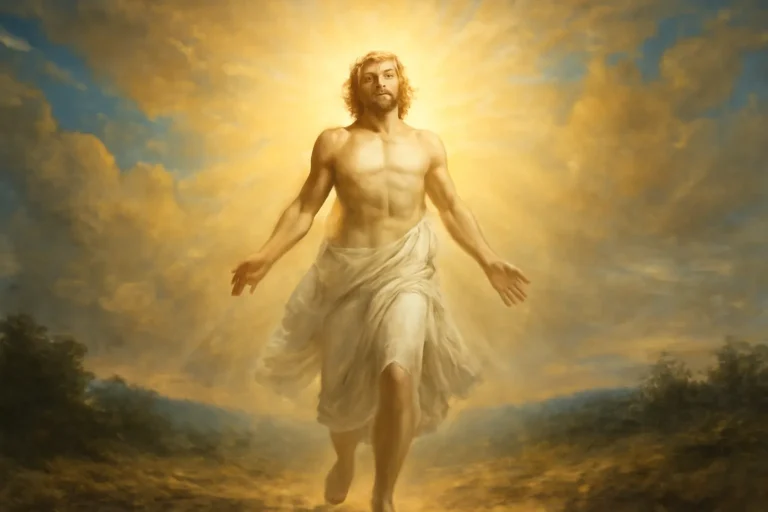
The language of transformation is central to Christian eschatology. The resurrected body is described as
glorious, imperishable, and no longer subject to decay or pain. In 1 Corinthians 15,
Paul compares the earthly body to a seed sown in weakness and dishonor and the heavenly body to a different kind of
body, not a mere extension of what exists now but a new, dignified form appropriate to eternal life. The notion of a
spiritual body is often debated: does it mean non-physical, or does it signify a body animated by the Spirit
in a way that surpasses ordinary physicality? Most theologians affirm a real, material body—recognizable and functional—
but as a transformed, perfected vessel prepared for unending existence in the age to come.
Wounds, Memory, and Holiness: Signatures of the Crucified and Risen
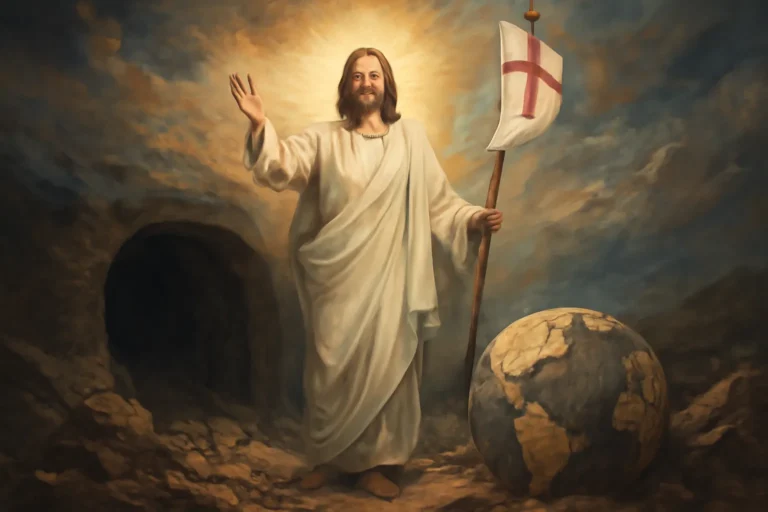
The Gospels offer intriguing images of Jesus after the Resurrection. He bears the marks of the wounds yet is able to
appear and disappear, invite disciples to touch him, and engage in ordinary acts like eating. These episodes have been
interpreted in multiple ways: as evidence of continuity with the crucified Christ, as signs of victory over death, and as
indicators that the resurrected body can inhabit ordinary space while transcending normal limits. In theological reflection,
the wounds become almost sacramental—signaling that divine salvation does not erase suffering but transforms it into glory.
Variants and Nuances: How Different Traditions Describe the Shape of the Resurrected
Patristic and Scholastic Voices: From Augustine to Aquinas
Early Christian writers wrestled with the mystery of the resurrected body using philosophic language and scriptural
exegesis. Augustine argued that the resurrected body would be free from corruption and capable of perfect perception
and love of God. Thomas Aquinas expanded this vision with a synthesis of Aristotelian biology and Christian
theology, insisting that the rational soul would harmonize with a perfected, tangible form. In both cases, the
emphasis is on a body that is unmixed with sin, fully alive to its creator, and able to participate
in the eschatological joy of God’s new world.
Reformation and Beyond: Diversity within Protestant Thought
In Protestant circles, the core conviction remains the bodily resurrection, yet doctrinal emphasis can differ
considerably. Some traditions emphasize the supremacy of grace and transformation that accompanies the resurrection,
while others underscore the mystery and leave certain details as a matter of faith. Across these voices, the
expectation of a future, embodied life is maintained, with the body restored to a state of health, freedom from
decay, and participation in everlasting worship.
Symbolic and Metaphysical Readings
Beyond the literal and historical readings, many theologians offer symbolic readings of the resurrected body. In these
approaches, the emphasis shifts to the transformation of desire, memory, and social embodiment—how we relate to God and
neighbor in the age to come. The body may be described as a sign of God’s fidelity to creation, a sign that
transcendence and immanence meet in a reconciled cosmos. These readings highlight hope, justice, and the
restoration of relationships as the primary features of the resurrected state.
The Nature of the Resurrected Body: Practical Characteristics
Materiality vs. Spirituality: How Physical Is the New Form?
A central question concerns whether the resurrected body is entirely material or primarily spiritual. Most theological
traditions affirm that the body remains a real, physical entity—tangible, walkable, eatable, measurable by human
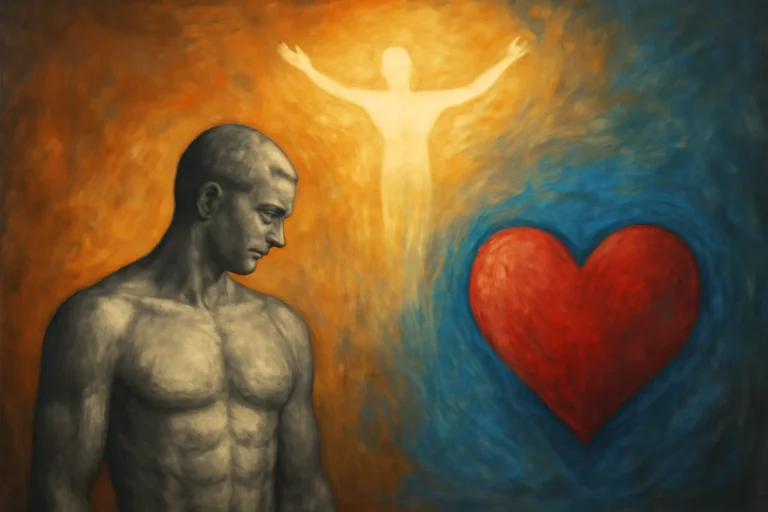
senses—yet empowered by divine vitality. The phrase glorified body captures this idea: not a mere ghost,
but a perfected material form that transcends current limitations, enabling a fuller participation in the divine life.
Dimensions of Perfection: Longevity, Mobility, and Perception
In a perfected state, the body is described as imperishable, glorious, powerful, and spiritually animated. Mobility is
unhindered, senses are clarified, and pain is absent. Some theologians imagine a body capable of instant travel or
seamless recognition across different confines of space, yet others caution that such descriptions are models for
understanding rather than precise forecasts. The essential claim across traditions is that the resurrected body will be
well-suited for worship, service, and intimate fellowship with God and neighbors in an eternal, holy setting.
Memory, Identity, and relational Life
Memory and identity are often discussed in tandem with the resurrected body. Will we remember life as it happened on
earth, with its joys and sorrows? Will relationships be renewed in everlasting friendship and love? Most thoughtful
treatments affirm both memory and relational continuity, while also suggesting that some earthly memories may be reordered or
transformed by the glory and light of the new creation. In short, personal continuity is preserved in a way
that respects the integrity of the person while magnifying the beauty of community in eternity.
Ethical, Liturgical, and Spiritual Implications: How Belief Shapes Life Now
Ethical Living in Light of the Resurrection
If believers anticipate the resurrection of the body, then ethical living gains a distinctive urgency. The physical body
is not merely incidental; it is a gift to be stewarded, cherished, and used for love of neighbor and service to God.
Holistic piety—care for the body, for others, and for creation—emerges as a coherent stance within this
eschatological hope. This means promoting justice, healing, and sustainable life in the present as fidelity to the
future hope.
Worship, Sacraments, and the Significance of the Body
The liturgical life of faith communities often treats the body as a primary instrument of praise and union with God.
Baptism, the Eucharist, and other sacraments become signs that point toward the promised bodily renewal. The body
participates not only in memory but in proclamation: we confess the future reality in which our bodies are
fully engaged in the worship of God, displaying the unity of body and soul in the economy of salvation.
Common Questions and Misconceptions: Clarifying the Terrain
Will we be recognizably ourselves?
A frequent question asks whether we will be recognizable after the resurrection. Most theologians affirm some form of
recognizability—identity persists even as the body is transformed. The sense of being oneself in a
glorified form aligns with the conviction that God knows and loves each person as they truly are, without alienation or
deception.
Are the resurrected bodies limited to certain conditions or locations?
The literature often speaks of resurrection within a universal transformation that applies to all who sleep in faith. Some
writers envision a universal sanctification that encompasses every corner of creation, while others emphasize the
specificity of individual destinies within the divine plan. In any case, the resurrected body is not imagined as an
ephemeral or imaginary state; it is a robust, enduring form designed to participate in eternal life.
What about continuity with the present life?
The question of continuity is rarely simple. Some traditions stress radical discontinuity—an entirely new mode of
existence in a transformed cosmos. Others insist on continuity of personhood as a fundamental guarantee. The most
plausible synthesis acknowledges both: a continuity of identity and a transformation of form, so that what exists
now is fulfilled and perfected beyond present limits.
Comparative Reflections: East and West on the Resurrected Body
Hindu and Buddhist Notions: Rebirth, Karma, and the Shape of the Self
Outside the Abrahamic family, many traditions discuss the fate of the body in ways that shape ethical practice and
philosophical inquiry. Hinduism often speaks of the body as a temporary vessel for the atman (self) in a cycle of birth,
death, and rebirth, with eventual liberation (moksha) from the cycle. The Shah of bodied experience, however, remains
tied to moral life and spiritual realization. Buddhism emphasizes impermanence and the continuity of experience through
rebirth without a permanent self, and thus it presents a distinct framework for understanding embodied existence in
future lives. When Christians, Muslims, and Jews engage with these traditions, they often focus on divergence in
assumptions about soul-body unity, final dispensing with suffering, and the nature of ultimate reality.
Resurrection in a Multifaith Context: Dialogue and Distinctiveness
In a pluralistic world, conversations about resurrection and embodiment can serve as a bridge for
mutual understanding, while also preserving doctrinal distinctiveness. Interfaith dialogue may explore shared motifs—
memory, justice, restoration, and divine sovereignty—while recognizing that particulars about the resurrected body
differ according to sacred texts and communities. Such engagement can deepen one’s own faith while cultivating
respect for others’ convictions about the shape of life beyond death.
Pastoral and Educational Implications: Teaching About the Resurrected Body
Curricular Approaches for Congregations and Seminaries
Teaching about the future life requires careful attention to language, imagery, and doctrinal precision. It is helpful to
present students and congregants with:
- Scriptural references that discuss resurrection, including passages from 1 Corinthians, Luke, and Acts.
- Historical syntheses that show how early Christians and later theologians framed the question of the
glorified body. - Ethical implications of belief in bodily renewal, such as care for the vulnerable and stewardship
of creation. - Opportunities for prayer and reflection on hope, justice, and gratitude for the body as God’s good gift.
Pastoral Care: Comforting the Bereaved and Encouraging Hope
The belief in a future, embodied life can be a source of profound comfort. Pastoral ministry often helps people face
the mystery of death with honesty and hope, offering meditations on the continuity of love, the justice of God, and the
certainty of divine faithfulness. In counseling, it is common to remind grieving persons that the body is not merely
discarded but renewed. This assurance can anchor rituals of mourning, remembrance, and thanksgiving.
Synthesis: Theological Reflection for Modern Life
Living into the Reality of the Resurrected Body
Belief about our future bodies shapes present discipleship. If the resurrected form is imagined as
glorious and genuine, then present life should reflect the values of that future reality: respect for the dignity of
every person, a commitment to healing and justice, and a stewardship that honors the integrity of creation. The
Christian, Jewish, and Muslim traditions converge on a shared intuition: life does not end with death; the body as
created is a bearer of divine intention, and its ultimate restoration is a cause for hope and action.
Hope Enough to Live By: Eschatology as Moral Vision
Eschatology—the study of last things—functions as a moral lens for ordinary life. Whether one envisions the
resurrected body as a tangible instrument of worship or a symbol of divine triumph, the end goal remains clear:
to orient ethical decisions toward love, truth, and the dignity of every human being. The future
resurrection of the body serves as a horizon that invites humility, perseverance, and joy in the
everyday acts of kindness and service.
Conclusion: The Persistent Hope of a Renewed Humanity
The question what will our resurrected bodies be like travels across biblical narratives, philosophical
reflections, and devotional practice. While there will be differences in emphasis among Christian denominations,
Jewish thought, and Islamic teaching, a common thread remains: the body is not an enemy to be escaped but a gift to be
transformed, a vessel through which eternal life is experienced and celebrated. The resurrected form
promises a future in which mortality is swallowed up by life, suffering is healed, and creation is restored to its most
gracious purpose. As believers anticipate this great transformation, they are invited to live with courage, mercy,
and steadfast trust in the God who sustains life from beginning to end.
For those who seek a deeper grasp of the topic, engaging with primary texts, patristic commentaries, and contemporary
theologians can yield a richer appreciation of how different communities conceive the shape of the
resurrected body. Whether one studies in a scholarly setting or within the context of a faith community,
the inquiry about what will our resurrected bodies be like remains an enduring invitation: to see embodiment as
gift, to honor the body in the present life, and to trust the God who promises renewal beyond the grave.