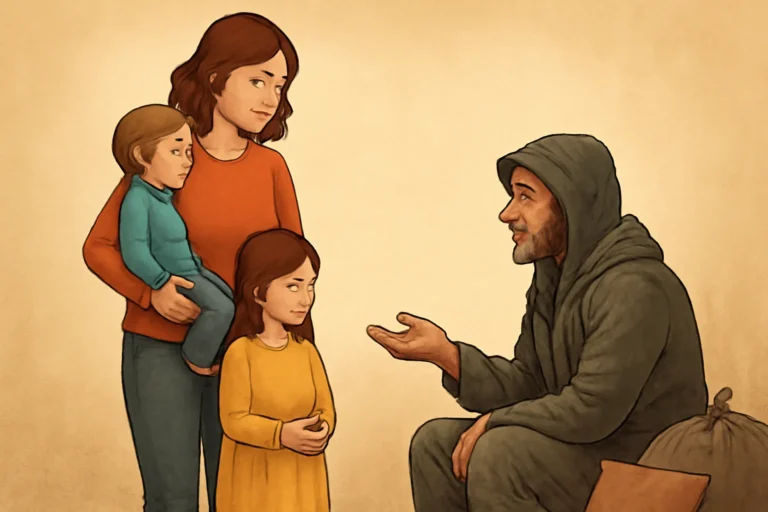
Charity and family are two of the most enduring commitments in religious life. Across traditions, the call to help the poor is intertwined with the duties that believers owe to their households. This long-form guide offers a practical, theology-informed approach to balancing concern for the poor with the needs and rights of loved ones. It treats generosity not as a zero-sum game but as a holistic practice in which spiritual growth, family stewardship, and compassionate social action reinforce one another. The aim is to equip individuals, households, and faith communities with methods, discernment, and routines that honor both neighbor and kin, without neglecting either.
Theological foundations: what sacred traditions teach about charity and family
In many religious traditions, charity (or acts of mercy) is not merely an optional virtue; it is a testimony to faith in action. Yet the same sources consistently emphasize the responsibility we bear toward our own household. Charity that neglects the home can become a form of harm in disguise, while family life that is closed to the world can reduce the transformative power of faith. Reading these dynamics through a careful theological lens helps believers cultivate a balanced ethos that is faithful and realistic.
Christian perspectives on charity and family
Within Christian theology, charity is often described as love in action—agape that moves beyond sentiment to service. The Parable of the Good Samaritan is frequently cited as a model that carries moral weight for all believers, yet the text also repeatedly emphasizes care within the household. The Apostle Paul speaks of charity as the greatest of virtues, but he also commends households to be orderly and to provide for family members. In practice, Christians are encouraged to tithe or give to the needy while ensuring that spouses, children, and elderly parents receive mercy, time, and practical support. A robust Christian approach to balancing charity and family will recognize that helping the poor is a Christian service precisely because it shapes the family’s witness to the world. It also acknowledges that neglected family members may undermine the integrity of charitable work, since the home is the first school of moral life.
Islamic understandings of zakat, sadaqa, and family duties
In Islam, charity is codified in several pillars and practices. Zakat is an obligatory act of worship for those who meet wealth thresholds, designed to purify wealth and aid the poor. Sadaqa, voluntary charity, enables Muslims to respond to needs of the day. Yet Islamic ethics also foreground the family: taking care of parents and immediate kin is highly valued, and neglect of kin is discouraged. The Prophet Muhammad emphasized mercy and generosity, but he also warned against extravagance and neglecting one’s household in a way that harms them. A thoughtful Muslim approach to balancing charity and family seeks to align zakat and sadaqa with the needs of one’s own home, ensuring that debt does not accrue at the expense of dependents and that charitable acts do not become excuses for self-denial of essential family care.
Tzedakah, covenantal justice, and family stewardship in Judaism
Judaism places a strong emphasis on tzedakah—righteous giving that seeks social justice. The Jewish tradition links charity to duty, community repair, and dignity for personhood. Yet the home remains a center of sacred practice, study, and care for vulnerable family members. The Talmudic sages teach that generosity should be measured and purposeful, not impulsive or reckless. A faithful approach to balancing charity with family needs in a Jewish context involves structured giving (for example, designated charitable funds), transparent family budgeting, and the integration of acts of kindness into daily life so that the home remains a place of nurture and learning even as the community is served.
Dana and dharma: Hindu and Buddhist reflections on compassionate action and family life
In Hindu and Buddhist traditions, the practice of dana (giving) and compassion (karuna) is central. Hindu scriptures encourage lavish hospitality and charitable acts while acknowledging household responsibilities—duty (dharma) to family and ancestors remains significant. In Buddhism, generosity is a foundational virtue, but it is paired with mindfulness and restraint to prevent harm. The practice of balanced generosity means offering aid without enabling dependency or compromising the family’s stability. For adherents of these traditions, the integration of charitable action with family life involves discernment, compassion, and a lived ethic where the well-being of the community and the family is mutually reinforcing, not mutually exclusive.
Practical frameworks: how to structure giving and caregiving in daily life
Religious life often calls for a rhythm that harmonizes public acts of mercy with private acts of care. Below are practical frameworks designed to help households and faith communities maintain a clear sense of priority, boundaries, and accountability.
Principle-based balancing: three pillars of a healthy balance
Priority of care for those under your roof: ensure safety, shelter, nutrition, and emotional support for spouse, children, parents, and other dependents before expanding charitable commitments.
Accountability to community: allocate regular, predictable resources (time, money, or influence) to neighborly needs without overwhelming the home’s capacity.
Discerned generosity through prayer, counsel, and practical evaluation: assess needs, motive, and sustainability before acting.
Three practical models to apply the balance
Model 1: The family-first budget—prioritize household obligations (mortgage/rent, utilities, health insurance, groceries, education) and then allocate a dedicated portion for charitable giving. This model treats generosity as a non-skippable line item after essential needs are covered.
Model 2: The partnership model—partners or spouses decide together on charitable opportunities that align with shared values, ensuring that both the family and the neighborly needs are represented in decisions.
Model 3: The community-partner model—build partnerships with churches, mosques, temples, or NGOs to steward collective giving. This distributes responsibility, amplifies impact, and reduces pressure on any single household to be the sole provider.
Balancing acts in daily life: routine and boundary-setting
Establish a regular family meeting to discuss finances, calendars, and charitable commitments.
Keep a charity log noting who gives what, to whom, and what outcomes are observed.
Set time boundaries for volunteering that respect work and family rhythms.
Define clear financial boundaries—for example, a monthly cap on discretionary giving that won’t jeopardize essential expenses.
Coordinate with religious communities to provide structured aid (e.g., food banks, shelter programs, or disaster relief) so that personal energy remains focused and sustainable.
Financial stewardship: budgeting, tithes, and ethical allocation
Money is a potent symbol in many religious traditions. How households steward wealth shapes not only personal wellbeing but also communal vitality. An intentional framework for financial stewardship helps families give generously while protecting the home’s essential needs.
Principles of ethical giving
Clarity about income, expenses, debt, and obligations before giving.
Proportionality—giving should be proportionate to means, not excessive or feeble.
Transparency—keeping honest records for accountability within the family and, if appropriate, with a trusted religious community.
Wisdom in timing—consider the timing of larger gifts (e.g., near major life events or financial milestones) so that they support rather than undermine family stability.
Practical steps for a sustainable giving plan
Assess income and essentials (housing, food, healthcare, education, utilities).
Create a charitable budget that is proportionate to income and aligned with family values.
Choose causes thoughtfully—prefer trusted, accountable organizations or faith-based programs that share your values.
Automate where possible—set up recurring donations to stabilize giving and reduce last-minute pressures.
Review periodically—conduct annual or biannual reviews to adjust giving as family circumstances change.
Ethical considerations around debt and charitable giving
Debts can complicate the ethics of giving. If debt burdens the family, it may be prudent to pause or reduce charitable commitments until the household’s financial footing is secure. Conversely, some debts (like medical costs) may be addressed alongside charitable actions if the family’s health and welfare are at stake. The guiding aim is to avoid a pattern where the family sacrifices essential health and safety to meet outside obligations.
Community and home: how to structure giving and caregiving in concrete terms
Balancing charity and family is as much about daily routines as about grand plans. The following practical strategies are designed to help households integrate charitable life with the responsibilities of home life.
Home-centered generosity: turning compassion into daily acts
Family volunteering—participate in service activities that involve children or elders to model generosity for the next generation.
Neighbor-focused projects—collect meals, clothing, or essential items for neighbors in need, keeping a standing donation box in a reachable place at home.
Ethical consumption—support businesses and suppliers that share your values on fairness and labor practices, aligning shopping choices with charitable aims.
Structured outreach: partnerships with faith communities
Collaborative drives—join interfaith or intra-faith efforts to pool resources and expertise for disaster relief or food security.
Mentorship and education—offer tutoring or literacy programs that uplift both the community and the family’s sense of purpose.
Care networks—develop a network to support vulnerable elders or children, ensuring consistent care without overburdening any single household.
Ritual life and neighborliness: integrating worship and service
Ritualized gratitude—incorporate prayers of gratitude for the resources that enable charitable work.
Intentional Sabbath or rest—design days of rest that protect family health and prevent burnout, enabling sustained service later.
Public worship as a catalyst—use sermon themes or liturgical seasons to encourage generous action that complements family stewardship.
Case studies across traditions: how communities live the balance
Real-life examples illuminate how the principles described above unfold in diverse contexts. Each case demonstrates a different emphasis, yet all converge on the same central aim: a life faithful to God, attentive to family, and engaged with others in need.
Case study: a Christian family practicing discerned generosity
A family of four in a church community schedules monthly family meetings to review finances and decide on a shared charity project. They allocate a fixed monthly percentage for charitable giving, but also reserve a separate emergency fund for family health needs. They volunteer together at a local shelter on weekends, teaching their children the value of service while maintaining a regular family dinner and prayer time. When an urgent crisis emerges in their community, they re-evaluate priorities with transparency and rely on pastors’ counsel to avoid overcommitting beyond their capacity.
Case study: a Muslim household balancing zakat with parental care
In this family, zakat is calculated annually and treated as a sacred obligation, but they also place great emphasis on caring for their aging grandmother at home. They participate in community-driven dua (supplication) nights and contribute to food distribution programs through a local charity. They set boundaries by avoiding debt and ensuring that caregiving duties do not supersede essential household needs, such as medication and safe housing. They also involve their children in responsible decision-making, explaining how zakat and sadaqa relate to personal responsibility and social justice.
Case study: a Jewish household practicing tzedakah with family integrity
This household integrates tzedakah into daily life through a family fund that supports a designated charity. They host a weekly study group that discusses social justice issues and invites neighbors who may benefit from learning together. They maintain a “home-first, community-second” approach, ensuring that elder care is not neglected while they participate in broader charitable projects. The family keeps meticulous records to ensure accountability and to model ethical stewardship for their children.
Case study: a Hindu family applying dana with dharma in mind
In this example, a family emphasizes dana as a disciplined practice rather than a spontaneous act. They allocate a fixed portion of income for charitable giving, but also engage in acts of service (seva) within their community, including feeding programs and shelter support. They remind themselves that true dharma includes maintaining harmony at home, supporting education for their children, and not overextending themselves in ways that could compromise family welfare. They seek guidance from elders and spiritual teachers to ensure that generosity remains balanced and sustainable.
Common pitfalls and remedies: staying on the path without burnout
Balancing charity and family is a dynamic process. Several recurring pitfalls can threaten sustainability if not addressed with foresight and wisdom.
Pitfall: burnout and resentment
When the heart is generous but the body and relationships are strained, burnout follows. The remedy is clear boundaries, sustainable routines, and shared responsibility, along with spiritual practices that renew energy and widen the circle of participation so that the burden does not fall on a single individual or couple.
Giving away resources without ensuring basic household security is a form of harm. The remedy is to prioritize essential needs, establish a transparent budget, and commit to regular check-ins about finances and caregiving responsibilities. Involving trusted mentors, clergy, or financial counselors can provide perspective and accountability.
Pitfall: charity without discernment
impulsive giving can enable dependency or cause misallocation of resources. The remedy is to develop a discernment process—a simple set of questions that assess the authenticity of a need, the effectiveness of the intervention, and the long-term viability of the aid.
Pitfall: mission drift
Without a shared mission, giving can drift into fragmented projects that do not align with household values. The remedy is to maintain a clear guiding statement of purpose (e.g., “We give to support families in our city while strengthening our own family life through shared acts of service”). Revisit this guiding statement periodically to ensure alignment with life changes.
Tools and routines: daily practices that sustain balance
Consistency is the heartbeat of balancing charity and family. The following tools and routines help keep generosity integrated with everyday life.
Prayer, reflection, and discernment
Begin with a short daily practice that asks for wisdom to balance needs beyond the home with the home’s welfare.
Use a discernment journal to record insights about opportunities to help and the timing that would honor family priorities.
Seek counsel from trusted spiritual mentors or leaders who can offer perspective on both charitable calls and family obligations.
Rituals and seasonal practices
Align charitable activities with liturgical seasons or religious calendars to create natural rhythms of giving and service.
Incorporate a ritual of thanksgiving for the resources that enable service, reinforcing gratitude within the household.
Use fasts or feasts to recalibrate priorities and renew the sense of purpose behind charitable actions.
Communication and companionship
Practice open communication about needs, limitations, and opportunities to serve.
Foster a sense of shared mission within the family by inviting everyone to participate in planning and evaluating efforts.
Develop a family “board” (even if informal) to discuss charitable opportunities and align them with the family’s schedule and budget.
Discernment: prayer, counsel, and ethical decision-making
Discernment is central to religious life and essential to balancing charity and family. It involves more than personal desire; it requires listening, community involvement, and thoughtful action.
Discernment practices across traditions
Prayer and contemplation as a way to attune the heart to both neighbor and kin.
Counsel with trusted authorities—rabbinic, priestly, imam, or elder guidance can help calibrate actions to sacred law and community norms.
Ethical reflection—a structured time to examine motives, potential consequences, and the sustainability of a proposed act.
Decision-making steps
Identify the need and assess urgency with humility.
Evaluate impact on the family’s basic needs and environmental sustainability.
Consider the “do no harm” principle—will this choice help or could it cause harm to the household or to those receiving aid?
Consult trusted sources and document the rationale for future reference.
Move forward with a plan that honors both neighborly obligation and family welfare.
Conclusion: toward a life of integrated care
Across religious traditions, the call to care for the poor is inseparable from the call to care for one’s own family. The most compelling practice of faith is not the intensity of a single act of generosity, but the steadiness by which a person or household embodies mercy within a shared life. By applying the practical frameworks outlined here—prioritizing essential needs, budgeting wisely, building sustainable giving into daily routines, and seeking discernment through prayer and counsel—believers can cultivate a holistic spirituality that honors both neighbor and kin. This integrated ethic invites a neighborhood transformed by mercy, while a family remains a secure sanctuary from which such mercy can grow and flourish. In the end, the aim is not a choice between charity and family but a harmonious practice in which compassion, responsibility, and worship inform one another.
As you move forward, remember that the path is not about perfection but about ongoing fidelity. Small, intentional steps—an extra meal donated each week, a monthly family meeting, a conversation with a mentor about priorities—can accumulate into a life of balance that truly reflects the best of spiritual life. May your acts of charity be wise, may your home be strong, and may your faith be a wellspring of steadiness for both your family and your wider community.