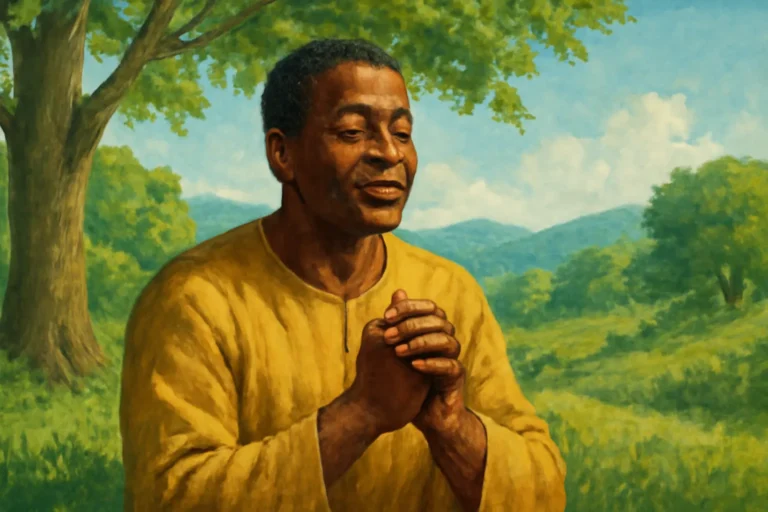
God Is With You: You Are Lifted Up
In a world filled with rapid change, uncertainty, and the ache of longing for steadiness, the conviction that God is with you can be a steadying force. The roots of this assurance run deep in Scripture, tradition, and lived experience. When people say the divine presence lifts you up, they are describing a dynamic reality: a nearness that does not erase life’s pain but reframes it, a companionship that does not remove responsibility but empowers courage. This article explores the multi-faceted idea that God is with you in a way that elevates, sustains, and renews. It surveys biblical, theological, historical, and practical dimensions of the claim that you are lifted up by divine grace, wisdom, and love.
The phrase “God is with you” is not a single formula but a family of expressions across time and tradition. Variants abound: the Lord is with you, the Creator stands beside you, the divine nearness anchors your soul, the Almighty lifts you above fear. In all its forms, the message points to a reality that transcends circumstance and yet speaks to the concrete experiences of daily life—work, family, illness, sorrow, joy, and hope. This article honors those diverse voices while maintaining a theological center: God’s intimate presence precedes our needs, accompanies our steps, and empowers our response to the world.
Theological Foundations: Nearness as What Makes Life Vital
The claim that God is with you has a scriptural architecture that appears in many forms. It is not merely a sentiment; it is a pedagogy, a promise, and a way of interpreting reality. From ancient prophets to modern theologians, the language of proximity has been used to describe how the divine interacts with creation.
Scriptural anchors: presence, uplift, and steadfast companionship
In the Hebrew Bible, the language of presence is vivid. Consider passages where God’s nearness is described as a guide, protector, and source of strength:
- “Be strong and courageous, for I am with you; do not be afraid, for I am your God” (a synthesis of texts like Isaiah 41:10 and Joshua 1:9). The sense is not of absence but of an interior, stabilizing companionship that fortifies resolve.
- “The Lord is near to the brokenhearted”—a poetic expression of the divine proximity to pain that reframes grief as not a loss but a location where grace can work (cf. Psalm 34:18).
- “You are not alone; I am with you wherever you go” resonates in the experience of exile, pilgrimage, and daily life, turning geography into a margin where God’s reality becomes visible.
In Christian thought, the incarnation intensifies the drama of proximity: God becomes human in Jesus, and in the risen Christ, the promise of God’s abiding presence is extended to a broader audience. The Apostle Paul, writing to communities under pressure, frames divine presence as a force that sustains, heals, and dignifies. The language shifts from a distant decree to an intimate invitation: God with you in Jesus Christ becomes you are lifted up through grace, a movement from fear to faith, from isolation to belonging.
In Islam, the notion of divine nearness is likewise robust, expressed in the belief that God is closer than the jugular vein (Quran 50:16). This teaching offers a comparable ethic and experience: God’s presence is a constant, an intimate awareness that accompanies the believer through every trial and triumph. Across traditions, the core insight is similar: the divine presence is not a distant doctrine but a felt reality that gives shape to meaning, purpose, and hope.
Historical and Cultural Perspectives: How People Have Experienced Being Lifted Up
Across centuries and cultures, the affirmation that God is with you has been interpreted in diverse ways. These interpretations illuminate how communities have used the concept to interpret suffering, celebrate resilience, and structure worship.
Ancient Near Eastern and Jewish contexts
In the biblical world, divine presence is often linked to covenant faithfulness and the community’s mission. The presence of God in the Tabernacle and later in the Temple was itself a form of lifting up—an invitation to trust, obey, and participate in a story that transcends one’s immediate circumstance. The prophetic books repeatedly remind the people that even when they walk through valleys, God’s outstretched arm remains a source of safety and direction.
Christian theological development
The Christian tradition develops a nuanced understanding of uplift through the person of Christ and through the Spirit. The cruciform pattern—suffering, death, resurrection—becomes the lens through which God’s lifting up is understood: God does not erase hardship but redeems it, turning trials into opportunities for grace to abound. Early church fathers, reformers, and modern theologians alike have described divine companionship as both mystery and assurance, enabling believers to bear witness with hope.
Islamic and interfaith resonance
In Islamic spirituality, nearness to God (taqwa, closeness through obedience and heart’s attentiveness) is a central goal. The believer experiences proximity through prayer, remembrance, and moral action, a dynamic that parallels the sense in which God is with you in Christian and Jewish contexts. Across faiths, the shared sentiment is that the divine presence is not a theoretical claim but a lived reality that regularizes courage, patience, and compassion.
Experiencing Presence: What It Means to Be Lifted Up
The phrase you are lifted up has multiple experiential layers. It can refer to emotional resilience, moral elevation, spiritual breakthrough, and communal uplift. It is both a personal transformation and a social reality—as individuals are buoyed by grace, communities are empowered to serve, heal, and reconcile.
Emotional and psychological dimensions
When believers say God is with you, they often describe a sense of steadiness in turmoil, clarity amid confusion, and safety within fear. This is not simply positive thinking; it is a theological anthropology that recognizes distress as part of life while locating a deeper reality in God’s steadfast presence. In practice, this can translate into calmer judgment, steadier hope, and a more patient, compassionate stance toward others.
Spiritual and moral dimensions
The uplift toward virtue—toward courage, honesty, generosity, and self-control—flows from the conviction that God supports righteous action. The believer does not lift themselves purely by bootstraps; they rise because the divine presence enables a reorientation of love and loyalty. In this sense, the divine lift is a call to ethical vitality: to act justly, love mercy, and walk humbly with God.
Community and social dimensions
The uplift is not only individual. When a community believes that God is with you, it often manifests in solidarity, mutual aid, and shared burdens. A congregation that anchors itself in this conviction tends to mobilize courage for the marginalized, to cultivate healing ministries, and to practice reconciliation as a spiritual discipline. In this way, lift becomes a collaborative enterprise—we are lifted up together.
Scriptural Reflections and Theological Insights
The Bible is replete with meditations on divine presence and uplift. While every tradition reads these texts through its own interpretive lens, the core motifs resonate across borders: nearness as comfort, companionship as strength, and uplift as vocation.
Selected reflections on presence and uplift
- Isaiah 41:10: “Fear not, for I am with you; be not dismayed, for I am your God; I will strengthen you, I will help you, I will uphold you with my righteous right hand.” This verse speaks to the conjunction of divine strength and moral steadfastness that lifts the believer above fear.
- Psalm 23:4 and its echoes: “Even though I walk through the valley of the shadow of death, I will fear no evil, for you are with me.” The lifting here is not removal but presence within danger—an invitation to trust in the shepherd’s care.
- Matthew 28:20 (Jesus’ promise): “I am with you always, to the end of the age.” The guarantee of ongoing presence becomes a source of courage for mission and witness in the world.
- 2 Corinthians 12:9–10—Paul’s paradox of weakness and grace: divine power is made perfect in weakness, a form of uplift that reframes limitation as place of divine possibility.
The theological insight behind these passages is cumulative: God with you becomes a lens through which life’s realities are interpreted as navigable, meaningful, and oriented toward love. The uplift is not merely a sentiment; it is a guide for decision, a spur for compassion, and a horizon for hope.
Practical Ways to Live as People Who Know They Are Lifted Up
If the truth that God is with you is to move from the page into daily life, it must translate into concrete practices. Here are some integrative approaches that individuals and communities find helpful.
Prayer and contemplative disciplines
- Begin with gratitude for the day and invite God’s presence to accompany each moment: “Thank you, Lord, for being with me today; lift my heart toward you and guide my steps.”
- Use short breathing prayers to anchor attention: “Abba, I am with you” or “You are with me, strengthen me”.
- Practice a simple centering routine: quiet, scripture reading, and a brief moment of listening for God’s voice “in the stillness.”
Scripture study and theological reflection
- Read selected psalms and prophetic passages that emphasize divine closeness and protection.
- Engage in a guided reflection on how God’s presence shapes your response to stress, conflict, or illness.
- Journal pages that describe your experience of lifted perspective—where you felt carried or encouraged by grace.
Worship, song, and liturgy
- Include hymns and contemporary worship songs that celebrate God’s nearness and uplift. Songs can be a liturgical way to rehearse the truth that God is with you in all seasons.
- Use liturgical prayers that name fear, grief, and longing while affirming divine companionship.
- Participate in community rituals—baptism, communion, or anointing—that symbolize God’s lifting up of the weary and the weak.
Service and mission as an expression of lift
- Engage in acts of mercy and justice as a response to God’s presence in your life—serving the vulnerable and pursuing reconciliation in communities.
- Share stories of how you have experienced divine nearness. Testimonies of uplift can strengthen others who doubt or suffer.
Theological Dimensions: Grace, Providence, and the Human Response
The claim that God is with you intersects with several enduring theological themes. These include grace, providence, immanence, and the compatibilist relationship between divine action and human freedom. Understanding these themes can deepen one’s sense of being lifted up in a way that is not simplistic but richly textured.
Grace as the primary mechanism of uplift
Grace is often described as the unmerited favor of God that meets us where we are. It is not earned by merit but received by faith, openness, and obedience. In this frame, God’s presence lifts you up because grace reorients desires and empowers a new way of living. The lift is a gift that enables people to endure, forgive, imagine, and act with integrity.
Providence and the shaping of life trajectories
Providence speaks to the sense that a divine intelligence is guiding history toward goodness and wisdom. The uplift here is not a guarantee of smooth sailing but a confidence that the arc of life, even when bent, is held by a loving, wise hand. The believer learns to read signs of divine care in ordinary events—work that feels meaningful, relationships that heal, opportunities that enable generosity.
Immanence and transcendence in tension
The doctrine of God’s immanence says God is near within creation; transcendence says God is greater than creation. The interplay of these two ideas allows for a rich sense of uplift: God is near enough to sustain me in the valley and powerful enough to transform cosmic realities. In practice, this means you can trust in divine companionship even when you cannot fully comprehend how it works.
Challenges, Suffering, and the Problem of Evil: When Lifted Up Feels Most Essential
The conviction that God is with you is most tested in pain. Suffering, injustice, and loss challenge the believer to hold onto trust without simplification. A robust theology of uplift acknowledges lament as a legitimate spiritual posture while still upholding the reality of divine nearness.
Addressing doubt with honest speech
Doubt is not the opposite of faith; it can be part of a credible faith journey. In times of doubt, the claim that God is with you can be reframed as a question: What would it mean for the divine presence to feel real in my current pain? How might grace still be at work when I cannot sense it clearly? The practice of doubt can become a doorway to a deeper trust.
Meaning-making in the suffering of others
When others suffer, the claim of uplift can become a call to solidarity: to be a visible sign that God is with them through your actions. The Christian tradition often names practical compassion as a way of partnering with God’s presence in the world. Through a neighbor’s pain, we are invited to be agents of lift as we bear one another’s burdens.
Ethical questions and the limits of uplift
The experience of divine nearness does not humanly bypass hard moral questions. The question becomes how to interpret uplift ethically: to avoid spiritual bypassing, to resist the temptation to withdraw from the hard work of justice, and to remain accountable to truth, humility, and love.
Interfaith Reflections: Common Ground in the Experience of Divine Proximity
While the language of God is with you often arises within particular religious frameworks, many traditions share a conviction of divine proximity that sustains people under trial. Interfaith dialogue can illuminate shared practices and deepen mutual respect for diverse ways of naming and experiencing uplift.
Common elements across traditions
- The sense that a divine presence accompanies human life, guiding decisions and sustaining hope.
- A belief that uplift leads to ethical action—toward justice, mercy, and fidelity.
- Ritual practices that help communities remember and re-enact the truth of divine nearness—through prayer, song, fasting, or acts of service.
Dialogical implications for lived faith
In conversations across faiths, a shared vocabulary of uplift emerges: presence, steadiness, mercy, and joy beyond circumstance. Such conversations can remind adherents that the truth of being lifted up through divine companionship transcends particular doctrinal lines and becomes a universal longing for security, meaning, and love.
Lived Testimonies: Stories of Being Lifted Up
Across personal narratives, the claim that God is with you appears in many forms: a quiet sense of peace in hardship, a sudden call toward a new vocation, or a community’s steadfast support during a crisis. These testimonies function not as propaganda but as invitations to faith: a fellow traveler might say, “I felt carried when I was weak” or “I learned to see failure as a signal to seek divine guidance.” When believers share these experiences, they often discover that uplift can be contagious.
Communal expressions of uplift
- Testimony evenings where people share how they sensed the divine presence in tough seasons.
- Prayer vigils and healing services that intentionally acknowledge pain while naming God’s nearness.
- Mission projects that embody divine uplift through service and hospitality.
The collective witness reinforces a truth: God with you is a force that binds, heals, and inspires. It is a message that renews trust, deepens gratitude, and invites every person to participate in the ongoing work of love in the world.
Concluding Reflections: The Sustaining Power of Divine Proximity
The assertion that God is with you and that you are lifted up is, at heart, a claim about reality—how it is and how it can become. It encourages a posture of courageous trust: not a denial of difficulty, but a confident engagement with reality through the lens of divine companionship. The lift is not a momentary boost but a durable orientation: a worldview in which freedom, meaning, and hope are anchored in a Presence that never abandons humanity.
In practical terms, to live as a person who believes that God is with you means to cultivate habits that honor this truth: daily prayers that invite the divine presence, reading and meditating on sacred texts, participating in communities that practice mercy and truth, and living with a rhythm of gratitude and service. It means recognizing that the lift can come softly—as a whisper of reassurance in the morning, as a steady hand in a crisis, as a word of encouragement from a friend—and it can come loudly—as a burst of inspiration that opens a new path, a bold act of mercy, or a transformative shift in perspective.
As you move forward, you can revisit the phrases and ideas in this article and weave them into your daily life. You can remember that God is with you in the ordinary and in the extraordinary, in the quiet moments of prayer and the long journeys of healing, in times of celebration and in seasons of grief. You can affirm with conviction that you are lifted up by a divine love that is constant, creative, and transformative.
May this conviction—God with you and You are lifted up—be a compass, a companion, and a source of enduring hope. May it sustain you in your own journey and empower you to extend that uplift to others, so that communities become places where the divine presence is felt, trusted, and shared.